
Gyeongju
The ancient capital of the Silla kingdom, a museum without walls of temples, tombs and royal ponds
Gyeongju
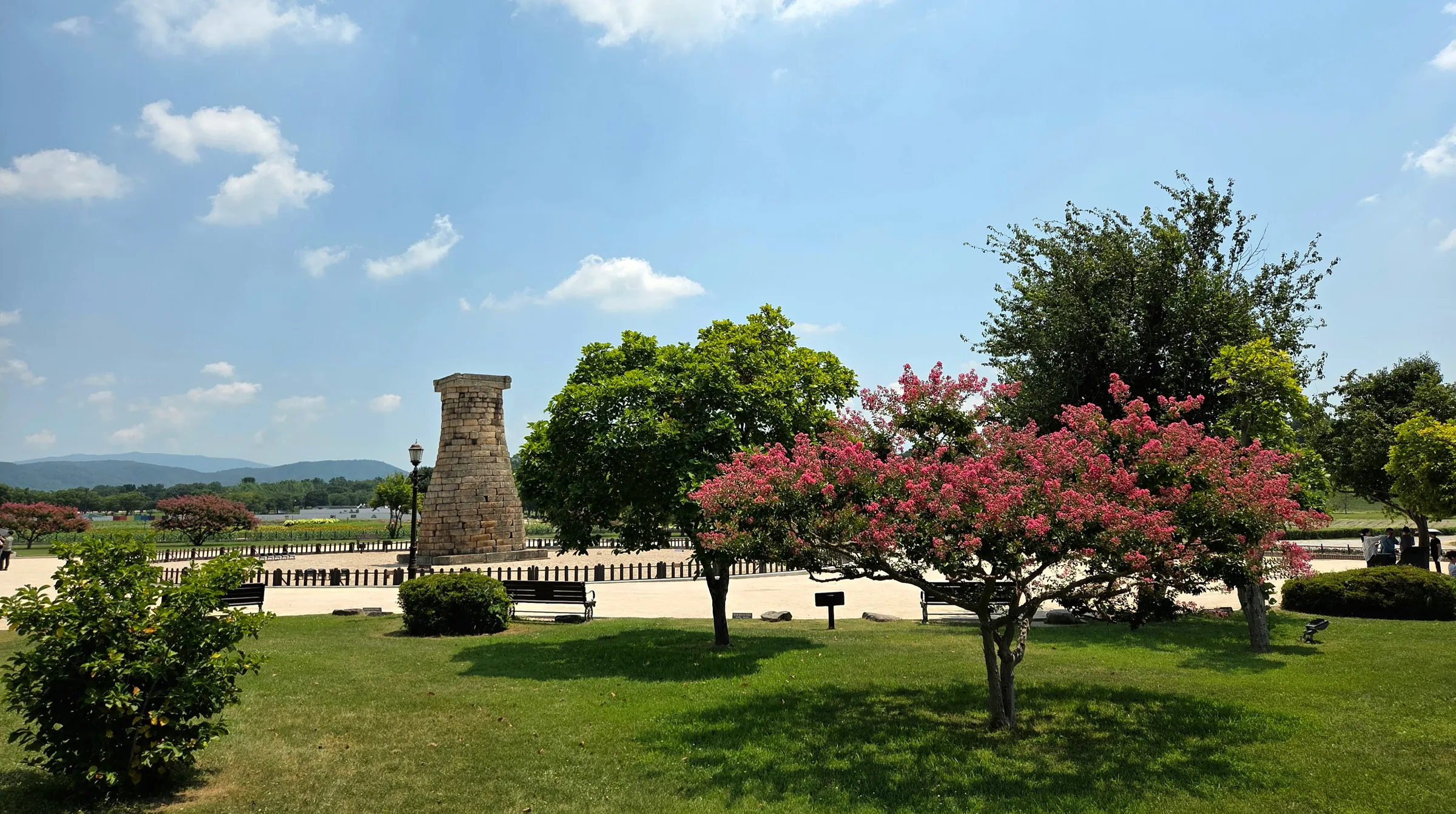
Gyeongju is a city in the south-east of South Korea that served as the capital of the Silla kingdom for nearly a thousand years, from the first century BC to the tenth century AD. It is often called a museum without walls because ancient monuments are scattered through the modern town and the surrounding hills. Large grass-covered burial mounds sit beside shops and cafés, and a stone observatory from the seventh century stands in a field of flowers, so the past is part of daily life.
Two UNESCO-listed sites lie in the hills to the east. Bulguksa Temple, built in the eighth century, is a masterpiece of Silla architecture, with stone staircases, a pair of pagodas and halls with painted eaves. Seokguram Grotto, higher on the mountain, is an artificial stone chamber that houses a serene seated Buddha and carved guardians, and it is regarded as one of the finest works of Buddhist art in East Asia. Both can be visited in a morning, and the best light and fewest people come early.
The town centre holds the royal heritage. The Daereungwon tomb complex consists of large mounds of Silla kings and nobles, and one of them, Cheonmachong, can be entered to see a reconstructed burial chamber and exhibits. Cheomseongdae, a bottle-shaped stone tower from the reign of Queen Seondeok, is considered the oldest surviving astronomical observatory in Asia. The Gyeongju National Museum displays gold crowns, jewellery and Buddhist sculptures from the Silla period, and its outdoor grounds contain a huge bronze bell. At Donggung Palace and Wolji Pond, formerly part of the palace complex, pavilions are lit in the evening and reflect on the water, a scene that many visitors consider the most beautiful in the city.
Newer attractions add variety. Hwangnidan-gil is a street of traditional houses, known as hanok, that have been turned into cafés, restaurants and small shops, popular for an afternoon stroll. Gyochon Village has well-preserved hanok, including a historic family house, and a wooden bridge over the stream. Yangdong Village, also UNESCO-listed, lies further away and shows how aristocratic families lived in the Joseon period. Gyeongju bread, a pastry filled with sweet red bean paste, is a local treat.
The food is straightforward and hearty. Ssambap, rice and grilled meat wrapped in leaves and served with many small side dishes, is common, and so are soft tofu stews and rice wine. Many restaurants serve a fixed meal with a large number of dishes, which suits groups, and vegetarians may find the range limited, so ask in advance. Traditional herbal teas and sweet rice drinks appear at the end of meals.
Gyeongju has distinct seasons. In early April, the cherry blossoms along the roads and around Bomun Lake attract crowds, in summer the days are hot and humid, and in autumn, the leaves colour the temple grounds in red and gold. Winter is cold and dry, with few visitors. The city is reached by high-speed train from Seoul to Singyeongju station in about two hours, with a bus or taxi to the town centre, and by road from Busan in around an hour.
A guide makes a difference. Many of the sites are mounds, foundations and reconstructions that need explanation, and the stories of Silla queens, kings and monks make the landscape come alive. A private car also helps to reach places that public transport covers slowly, such as Seokguram, and to see Donggung and Wolji at night, when they are most beautiful.
Where you stay shapes the visit. The hanok guesthouses of the Hwangnidan-gil area offer rooms with floor mattresses, courtyards and breakfast in the Korean style, and they give an atmosphere of old Gyeongju. Larger hotels cluster around Bomun Lake, a resort area with a lakeside path, and the city centre has smaller hotels within walking distance of the tombs. Bicycles and electric scooters can be rented in the centre, and many visitors cycle between Daereungwon, Cheomseongdae and Wolji, which lie within a short distance of each other.
Think about the time of year. The cherry blossoms of early April and the autumn colours of November are the busiest periods, and hotels fill up. Winter is quiet, with a cold wind and clear light, and the lights at Wolji Pond look sharp in the frosty air. Because Silla monuments often stand in open fields with little shade, a hat and sunscreen help in summer, and a warm coat is essential in winter. Bring cash for small entrance fees, though cards are accepted in most places.
Keep in mind that distances between the main areas are larger than they look on a map. Bulguksa and Seokguram lie about a quarter of an hour by road east of the city centre, Yangdong Village is about half an hour north, and the Bomun Lake resort is a short drive in the other direction. Buses and taxis connect them, but timetables are patchy, so a private car or a rented bicycle saves time. Plan around opening hours, since most sites close in the early evening, except for the lit areas such as Wolji Pond.
Stay at least one night to see the monuments in the evening, when the day-trippers have gone. Wear comfortable shoes, carry a light jacket, and keep some Korean won in cash for small entrance fees and snacks.
Planning a trip to Gyeongju?
Our team designs private itineraries for each traveller — no templates, no group tours.
Speak to concierge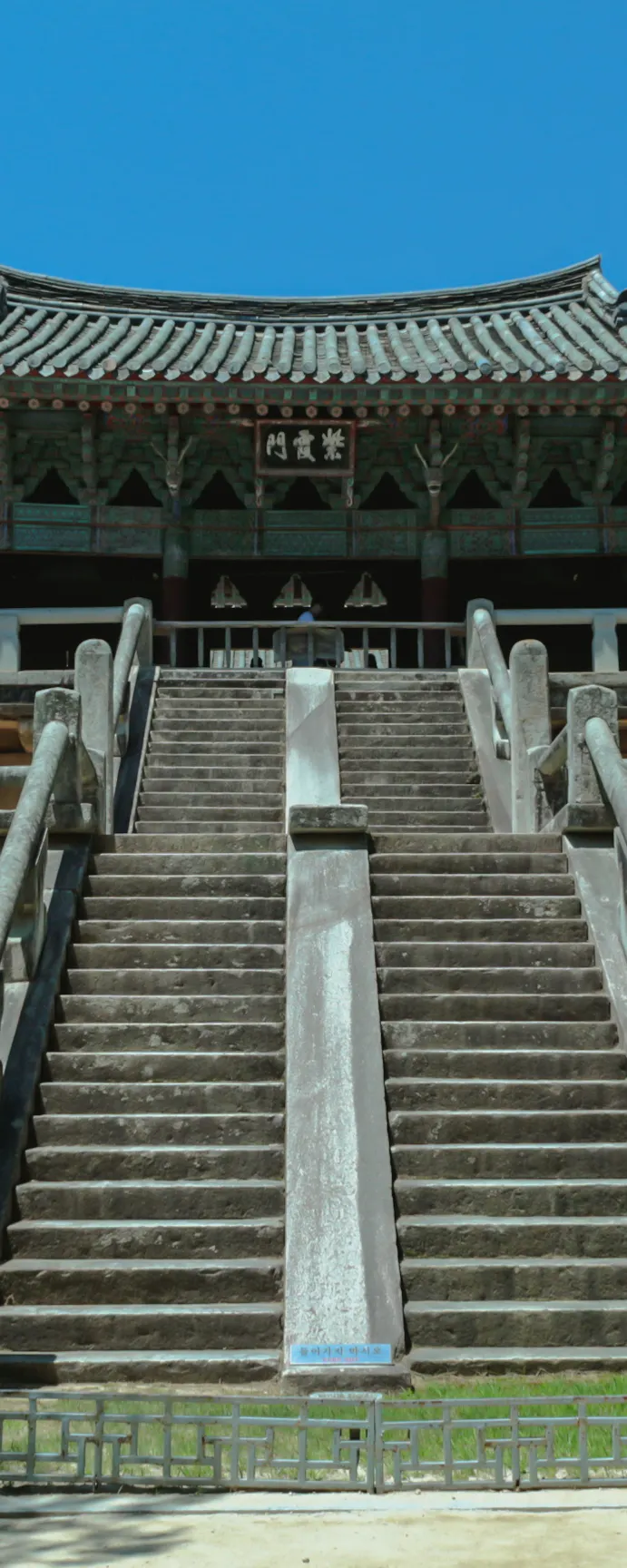
Tours & Tickets in Gyeongju
Activities and skip-the-line tickets, bookable instantly alongside our curated private experiences.
Hotels, flights and more in Gyeongju
Where to stay
Compare hotel rates for your dates with three booking partners.
Getting there
Compare flight prices from your airport before you fix your dates.
Compare flights on AviasalesThese are affiliate links: if you book through them, Excurze may earn a commission at no extra cost to you.
Planning a trip to Gyeongju?
Our concierge team knows Gyeongju in depth. Tell us your dates and we'll build an itinerary entirely around you — private, unhurried, considered.
Our team responds within 12 hours — usually faster.