
Kamakura
The old samurai capital by the sea, with a bronze Great Buddha, bamboo temples and a surf coast
Kamakura
Kamakura is a seaside town about an hour south of Tokyo that served as the seat of the first shogunate in Japanese history, from the late twelfth to the early fourteenth century. When the military government moved here, the city filled with temples and shrines, and its Zen monasteries shaped the culture of the warrior class. Today it is a popular day trip from Tokyo, surrounded on three sides by wooded hills and open to the sea on the fourth, with surf beaches, a small-town centre and a string of historic sites.
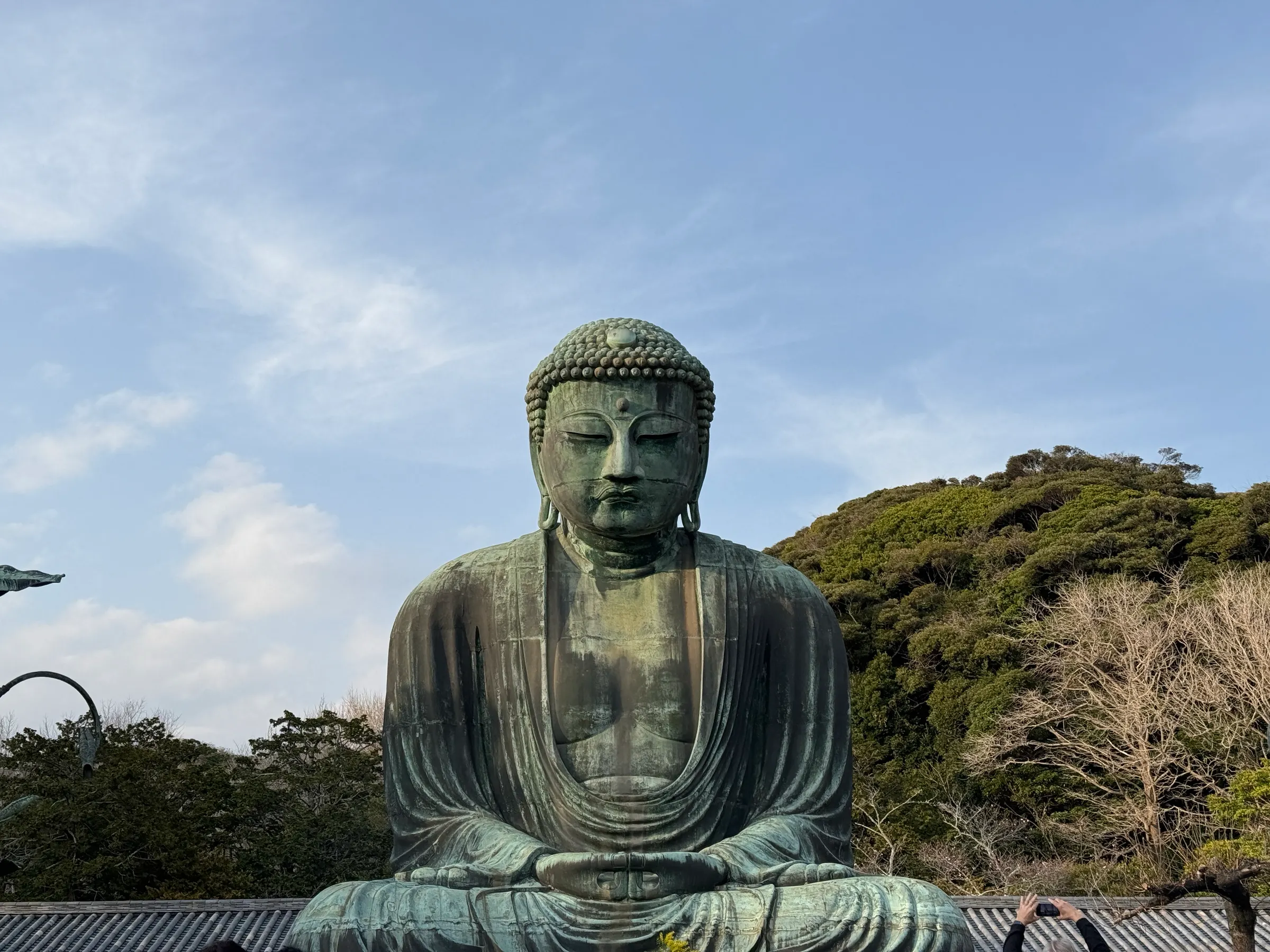
The Great Buddha, at Kotoku-in temple, is the symbol of the town. The bronze figure sits in the open air, about thirteen metres tall, and was cast in the thirteenth century after an earlier wooden statue was destroyed by a storm. Visitors can walk around it and, for a small fee, enter the hollow interior. Nearby, Hase-dera is a temple on a hillside with a gilded eleven-headed statue of the goddess of mercy and a view over the bay, and it is especially popular in June when hydrangeas bloom along its paths.
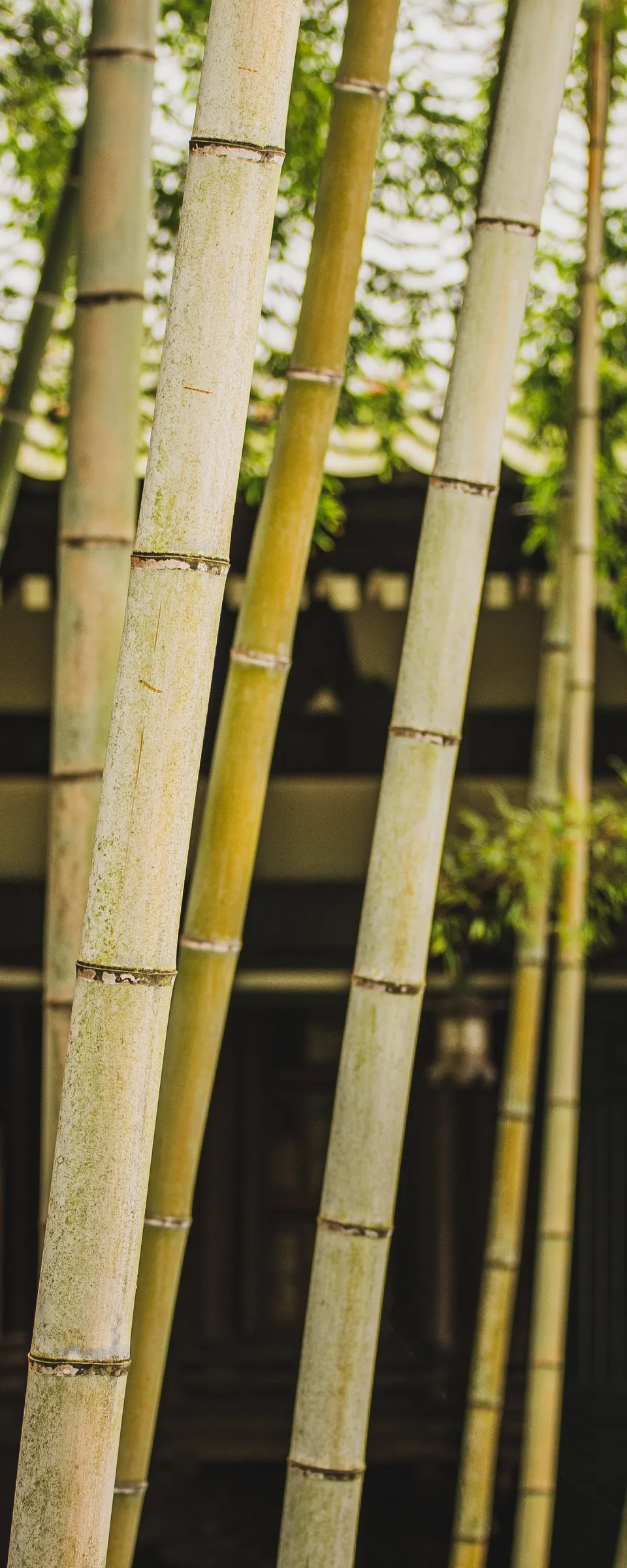
Tsurugaoka Hachimangu is the main Shinto shrine, standing at the top of a long approach lined with cherry trees that runs from the sea to the hills. It was established by the first shogun and remains the centre of the city's festivals. Hokokuji, a Zen temple, is known for its bamboo grove, where a path winds between tall stalks and a teahouse serves matcha, and it offers a quiet counterpoint to the crowds at the larger sights.
The coast is part of the appeal. Yuigahama and Zaimokuza beaches are popular for walks and surfing, and Shichirigahama, a long beach to the west, has views of Mount Fuji on clear days. The Enoden, a small tram-like railway, runs along the coast between Kamakura and Fujisawa, passing between houses and beaches, and it is a pleasure in itself. Enoshima, a small island joined to the mainland by a causeway, has shrines, caves and a lighthouse, and it is often visited together with Kamakura.
Food is simple and good. Shirasu, tiny white fish served on rice or in omelettes, is the local speciality, and seafood restaurants line the beaches. Komachi-dori, a pedestrian street near the station, has sweets, rice crackers and street snacks, and Kamakura is known for pottery, lacquer and wooden crafts. Cafes in old houses are plentiful, and a pause with tea and Japanese sweets suits the pace of the town.
Getting here is straightforward. Trains from Tokyo or Shinagawa reach Kamakura in about an hour, and the town can be explored on foot, by bicycle or by the Enoden. At weekends and in the hydrangea season, trains, streets and temples are crowded, so an early start or a weekday visit makes a difference. A private car allows you to combine Kamakura with Yokohama or Enoshima and to reach places such as Shichirigahama without relying on the timetable.
The best seasons are spring, with cherry blossom and fresh leaves, early summer for hydrangeas, and autumn for maples. Summer on the beach can be hot and busy, and winter is mild and clear, with good views of Fuji. In the rainy season, rain can fall for days, but the temples look their best in the mist. Wear comfortable shoes, since the temples are on slopes with many steps, and carry cash for small entrance fees.
The surrounding hills offer walking. The Daibutsu hiking course, a wooded trail of about three kilometres, links the Great Buddha with the shrine of Zeniarai Benzaiten, where visitors wash coins in a cave spring in the hope that they will multiply, and with the area behind Kita-Kamakura. Enoshima, at the end of the Enoden line, has a lighthouse, caves and views of the sea and Mount Fuji, and it is a pleasant place to watch the sunset. The beaches are popular with surfers from spring to autumn.
Plan the day to avoid the worst crowds. The Great Buddha and the main temples open in the morning and close in the late afternoon, so an early start is helpful. Komachi-dori, the shopping street near the station, is busiest at midday. If you can stay overnight, Kamakura is calm in the early morning and in the evening, and a walk in the quiet side lanes gives a different impression from the day-trip crowds. Travel light and carry a small umbrella, since showers pass quickly in the hills.
Etiquette at the temples is simple. Speak quietly, do not climb on statues, and follow the signs that mark areas where photography is not allowed. At shrines, it is customary to bow once at the gate, wash your hands at the fountain and make a small offering. Dress comfortably, since most paths are steep and many temples have stairs. A cloth to wipe your hands, a bottle of water and a small plastic bag for rubbish make the day easier, because bins are scarce in historic areas.
Allow a full day for Kamakura. A typical day includes the Great Buddha and Hase-dera in the morning, lunch of shirasu, the bamboo grove or Tsurugaoka Hachimangu in the afternoon, and a walk on the coast at sunset. Those with more time can add a night in a seaside inn or a hike over the hills between temples.
Planning a trip to Kamakura?
Our team designs private itineraries for each traveller — no templates, no group tours.
Speak to conciergeExperiences here
Tours & Tickets in Kamakura
Activities and skip-the-line tickets, bookable instantly alongside our curated private experiences.
Hotels, flights and more in Kamakura
Where to stay
Compare hotel rates for your dates with three booking partners.
Getting there
Compare flight prices from your airport before you fix your dates.
Compare flights on AviasalesThese are affiliate links: if you book through them, Excurze may earn a commission at no extra cost to you.
Planning a trip to Kamakura?
Our concierge team knows Kamakura in depth. Tell us your dates and we'll build an itinerary entirely around you — private, unhurried, considered.
Our team responds within 12 hours — usually faster.