

Koyasan
Japan's mountain monastery town, with a vast forest cemetery and temple lodgings in the Kii Mountains
Koyasan
Koyasan, or Mount Koya, is a high plateau in the Kii Mountains of Wakayama prefecture and the headquarters of Shingon Buddhism, one of the main schools of Japanese Buddhism. The monk Kukai, known after his death as Kobo Daishi, founded the first monastery here in the year 816, and the settlement has grown into a town of more than one hundred temples. It is part of the UNESCO-listed Sacred Sites and Pilgrimage Routes in the Kii Mountain Range, and it remains an active religious community with monks, pilgrims and resident families.
The town is arranged around two sacred areas. Danjo Garan, the original complex, is arranged as a three-dimensional mandala, with the vermilion Konpon Daito, the Great Pagoda, rising about 48 metres, the Golden Hall and other halls. Kongobuji, the head temple of the Shingon sect, has sliding-door paintings from the Edo period and Banryutei, the largest rock garden in Japan. Smaller sights include the Reihokan Museum, which displays Buddhist art and treasures, and the Tokugawa Mausoleum, a pair of ornate buildings dedicated to the first and second Tokugawa shoguns.
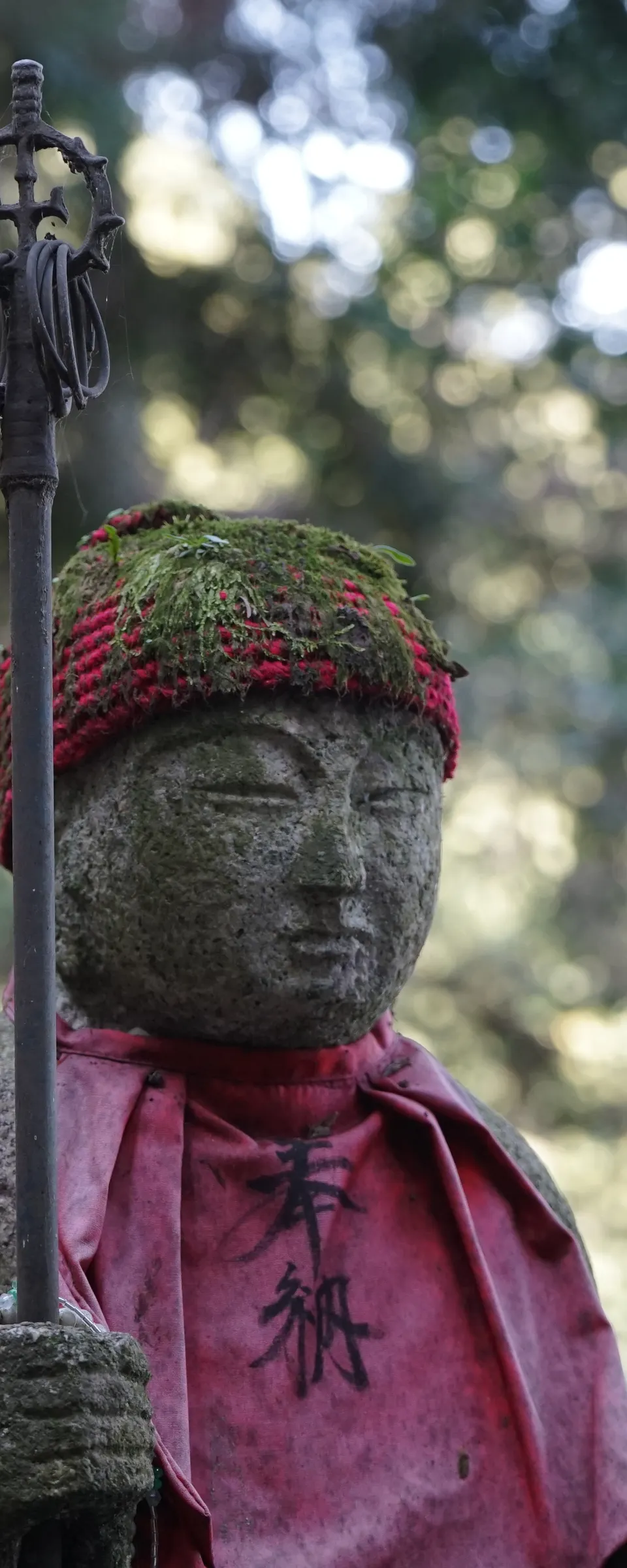
Okunoin, at the eastern end of the town, is the great cemetery of Koyasan. A path of about two kilometres runs through ancient cedars, past more than two hundred thousand memorial stones, to the mausoleum of Kobo Daishi. Followers believe that he did not die but entered eternal meditation, and monks still carry daily meals to the mausoleum. Walking here in the early morning or in the evening, when lanterns are lit and the crowd is small, is a moving experience. Visitors are asked to walk quietly, bow at the bridge before the inner sanctuary and avoid photography in the most sacred areas.
Staying overnight is a central part of the experience. About fifty temples offer shukubo, temple lodging, in which guests sleep on tatami floors, eat a vegetarian meal called shojin ryori, and are welcome to attend the morning prayers at around six o'clock. Rooms are simple, often with shared bathrooms, and the evenings are quiet and cold. Reservations are essential in autumn and at weekends, and it helps to check whether your temple offers a particular activity such as meditation or calligraphy.
The weather at about 800 metres is cooler than in Osaka, and it can be cold in winter, with snow that makes the cemetery look extraordinary but the paths slippery. Spring brings cherry blossom, usually in mid-April, and autumn colours the cedar forests in November. Summer is pleasant, with relief from the heat of the lowlands, and thunderstorms can occur in the afternoon.
Getting there is part of the journey. From Osaka's Namba station, a private railway runs through the mountains to the base station, where a short cable car rises to Koyasan, and the whole trip takes around an hour and a half. Buses within the town link the main sights, though many visitors walk. Day trips from Osaka and Kyoto are popular, but they leave little time, and the town is much quieter in the evening.
Dress modestly, remove your shoes in temples and ask before taking photographs. Keep cash for entrance fees, lunch and small purchases, since some shops do not accept cards. Eat well at midday, because restaurants close early, and carry a warm layer all year.
Etiquette is part of the experience. Visitors are asked to speak softly, not to eat while walking in the temples and the cemetery, to turn off the sound on phones and to avoid photographing monks without permission. Photography is prohibited inside many halls and at the innermost part of Okunoin, and the signs are clear. A guide explains the customs of offering incense or a small coin and how to bow, which helps visitors to take part respectfully. Wear modest clothing and shoes that are easy to remove.
The mountain is a gateway to further pilgrimage. The Kumano Kodo, a network of ancient trails through the Kii Peninsula, is linked with Koyasan, and walkers sometimes combine the two over several days. Within the town, a pass for the local buses saves effort, and luggage can be forwarded to your next stop if you travel with a large bag. Allow a night at least, since the real atmosphere of the town emerges in the evening and the early morning, when the lantern-lit cemetery and the sound of chanting remind you that this is a living monastery.
For planning, a few facts help. The central street runs for about two kilometres between the Daimon gate in the west and the Okunoin approach in the east, with buses at regular intervals. The town has banks and a post office, but only a few cash machines, so bring enough yen. Mobile coverage is generally good, and temples provide basic information in English. Winter nights are cold in the lodgings, which have limited heating, so pack thermal layers and warm socks.
A guide adds a great deal. The history of Shingon Buddhism, the meaning of the mandala layout and the customs at Okunoin are not obvious from the buildings, and a guide who knows the temples can explain the rituals, show you less visited corners and help you choose between the many sites.
Planning a trip to Koyasan?
Our team designs private itineraries for each traveller — no templates, no group tours.
Speak to concierge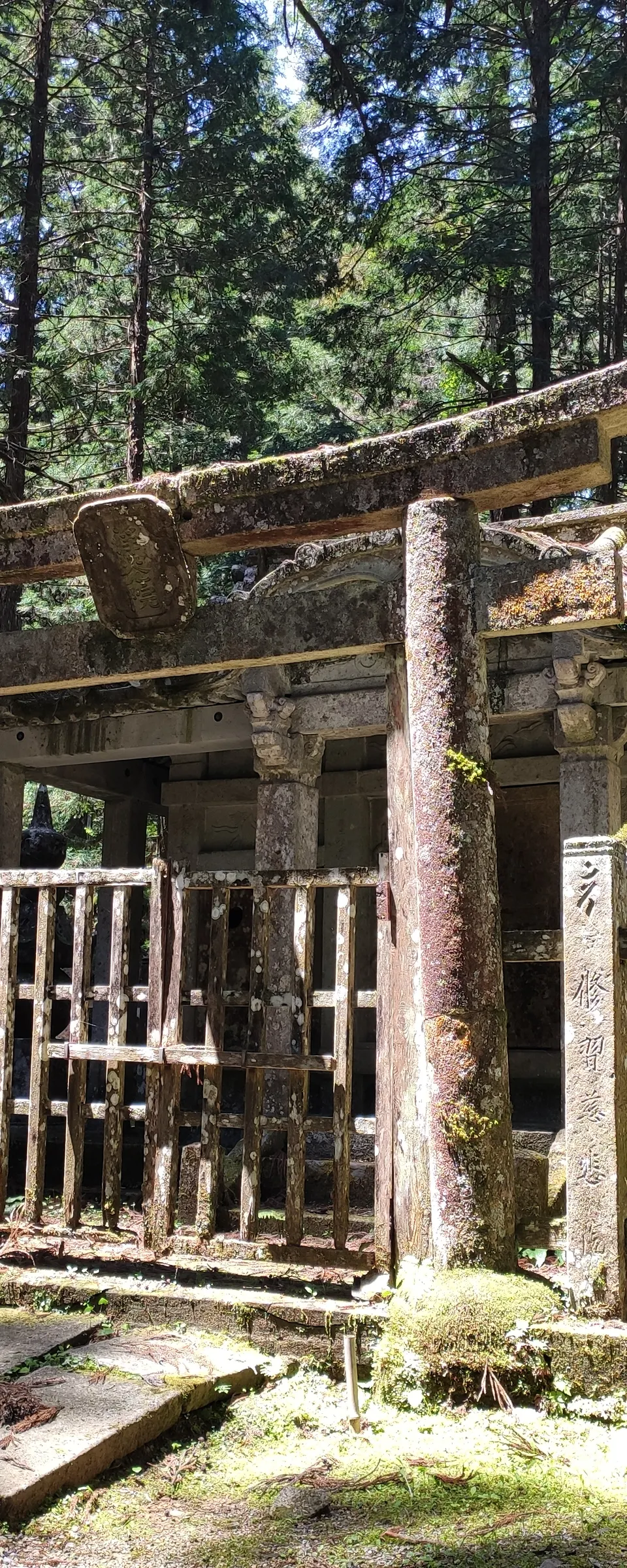
Tours & Tickets in Koyasan
Activities and skip-the-line tickets, bookable instantly alongside our curated private experiences.
Hotels, flights and more in Koyasan
Where to stay
Compare hotel rates for your dates with three booking partners.
Getting there
Compare flight prices from your airport before you fix your dates.
Compare flights on AviasalesThese are affiliate links: if you book through them, Excurze may earn a commission at no extra cost to you.
Planning a trip to Koyasan?
Our concierge team knows Koyasan in depth. Tell us your dates and we'll build an itinerary entirely around you — private, unhurried, considered.
Our team responds within 12 hours — usually faster.