

Matsumoto
A black castle city at the foot of the Japanese Alps, and the gateway to the Kamikochi valley
Matsumoto
Matsumoto is a city in Nagano prefecture, set in a broad basin surrounded by the mountains of the Northern Alps. It is known for its castle, a dark and elegant keep that is one of the few original castles to survive in Japan, and for being the gateway to Kamikochi, a high valley of clear rivers and peaks. With a relaxed centre, good food and easy access to the mountains, it is a place to slow down after the busier cities.
Matsumoto Castle was built in the late sixteenth century, and its black walls, white trim and red bridge over the moat have earned it the nickname Crow Castle. The keep is one of the oldest in the country, and visitors climb steep wooden stairs through several floors to reach a viewing level with mountains on the horizon. The castle was a fortress rather than a palace, and its walls hold gun ports and stone-dropping openings. The moat is lined with trees that turn red in autumn and bloom in spring, and the castle is lit in the evening.
The streets nearby reward a walk. Nawate-dori is a lane of small shops and food stalls beside a stream, with a statue of a frog at the entrance, and Nakamachi has white-walled storehouses converted into cafés, craft shops and galleries. The Matsumoto City Museum of Art holds works by Yayoi Kusama, who was born in the city, and the Japan Ukiyo-e Museum has one of the largest private collections of woodblock prints. The city is known for soba noodles, made from buckwheat grown in the region, and for wasabi, grown in the cold spring water, which you can taste fresh at a farm nearby.
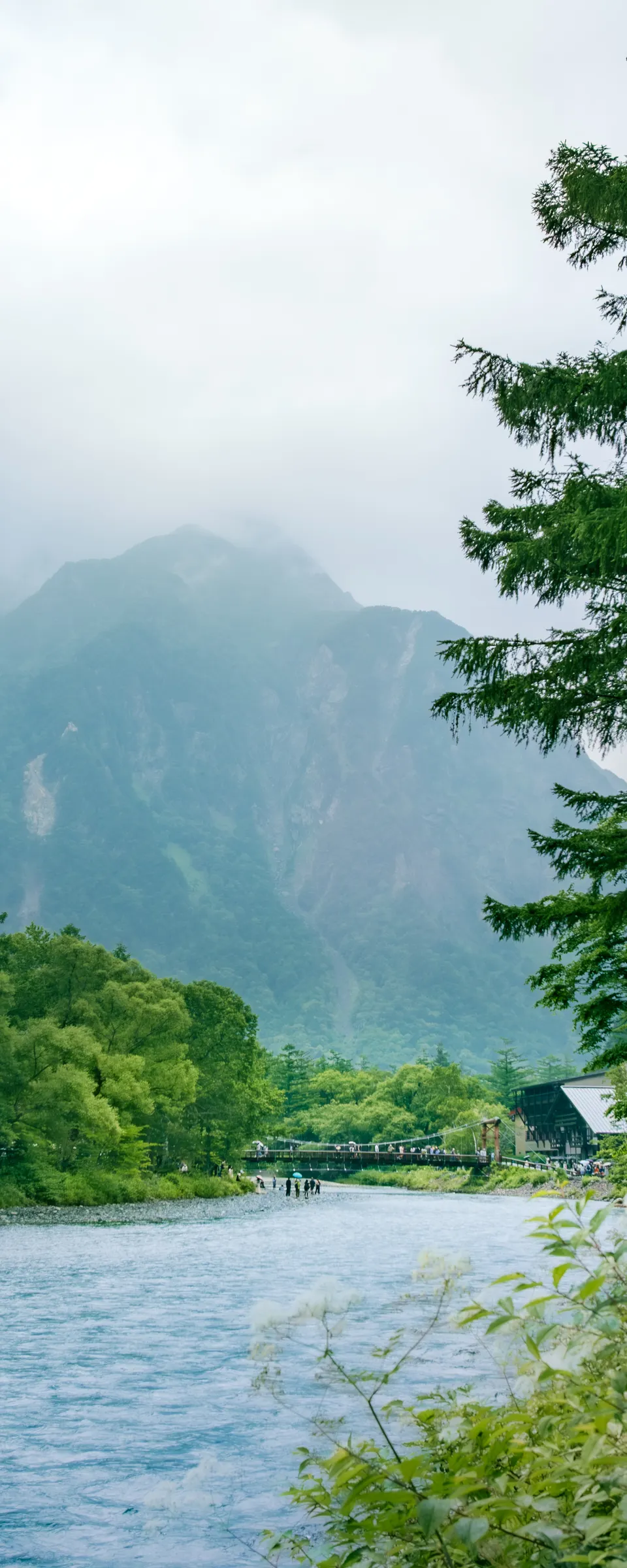
Kamikochi is the main reason to come. The valley lies at about 1,500 metres in the Chubu Sangaku National Park and is crossed by the Azusa River, which flows clear and cold between forests and the jagged Hotaka peaks. The Kappa Bridge, a suspension bridge across the river, is the starting point for most walks. Taisho Pond was formed in 1915, when a volcanic eruption of nearby Mount Yakedake dammed the river, and dead trees still rise from its mirror-like surface. Trails lead along the riverbank to Myojin Pond and further into the mountains.
Access to Kamikochi is controlled. Private cars are not allowed, and visitors travel by shuttle bus or taxi from Sawando and Hirayu, which is why many tours handle the transfers. The valley is open from mid-April to mid-November, and it is closed in winter because of snow. Autumn colour peaks in October, summers are cool, and weekends in the high season are busy, so a weekday visit is more peaceful. Wildlife includes macaques, which are often seen near the trails, and rare serow.
Getting to Matsumoto is simple. Limited express trains run from Tokyo's Shinjuku station in around two and a half to three hours, and from Nagoya in about two and a half hours. Local buses and taxis go to the castle, and the city centre is compact enough to explore on foot. Nagano, with its temples and the snow monkeys, lies to the north, and Takayama can be reached across the mountains in good weather.
Dress for changing weather in the mountains, even in summer. A light waterproof jacket, comfortable walking shoes and a warm layer are essential, and drinking water and snacks should be carried, since facilities in the valley are limited. Keep a respectful distance from the animals and do not feed them.
The city is also a city of music and art. The Seiji Ozawa Matsumoto Festival fills the summer with concerts, and the city has a long tradition of violin teaching, with the Suzuki method developed here. Museums, galleries and small bookshops line the streets, and the shopping lanes of Nakamachi preserve the white and black storehouse style. The food scene includes sake breweries, soba restaurants and coffee houses, and on a Saturday morning the market near the castle sells vegetables and crafts from the surrounding countryside.
Nearby excursions add variety. The Daio Wasabi Farm, about half an hour north, grows wasabi in channels of clear spring water, and visitors can try wasabi ice cream. The post town of Narai-juku preserves a long street of wooden buildings from the Edo period, and the hot spring village of Asama Onsen lies on the edge of the city. In winter the area has ski resorts, and in spring cherry blossoms frame the castle. A rental car is useful for exploring, but taxis and buses suffice for most visitors.
Allow a day for the castle and the old streets, and a full day for Kamikochi. A night in the city lets you enjoy the castle at dusk and a soba dinner, and a guide or driver with local knowledge can help to time the visit to Kamikochi for clear weather.
Planning a trip to Matsumoto?
Our team designs private itineraries for each traveller — no templates, no group tours.
Speak to concierge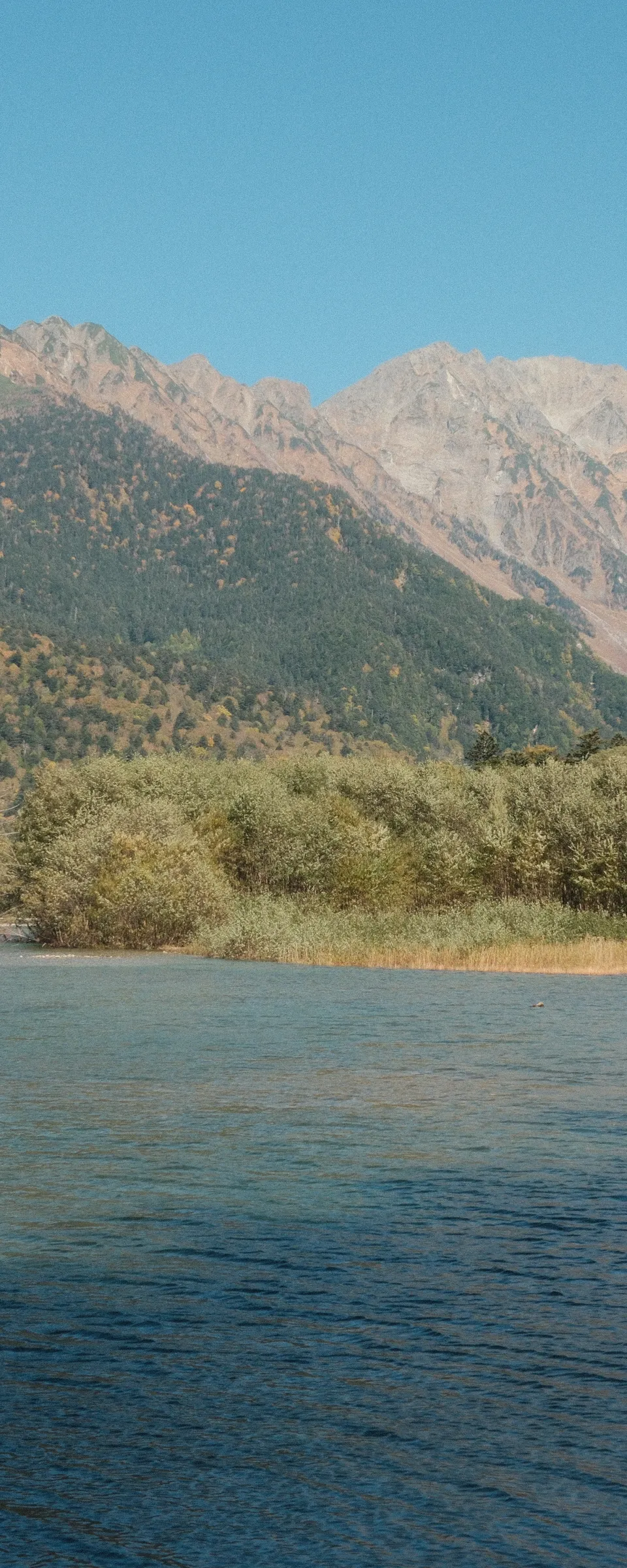
Tours & Tickets in Matsumoto
Activities and skip-the-line tickets, bookable instantly alongside our curated private experiences.
Hotels, flights and more in Matsumoto
Where to stay
Compare hotel rates for your dates with three booking partners.
Getting there
Compare flight prices from your airport before you fix your dates.
Compare flights on AviasalesThese are affiliate links: if you book through them, Excurze may earn a commission at no extra cost to you.
Planning a trip to Matsumoto?
Our concierge team knows Matsumoto in depth. Tell us your dates and we'll build an itinerary entirely around you — private, unhurried, considered.
Our team responds within 12 hours — usually faster.