

Kyoto
Where ancient Japan still breathes
Kyoto
Kyoto holds seventeen UNESCO World Heritage Sites and a living culture of tea ceremony, Noh theatre, and temple gardening that has changed little in five centuries. This is Japan distilled: a city of considered beauty and deep ritual.
Beyond the famous shrines, Kyoto rewards those who walk slowly. Hidden machiya townhouses, moss-covered sub-temples rarely visited by tourists, and tea masters who have spent decades perfecting a single gesture. The city operates at a different frequency: unhurried, precise, profound.
Our access in Kyoto includes private tea ceremony in a working machiya, after-hours temple meditation, and introductions to craftspeople in the Nishijin weaving district who do not advertise to the public.
The famous sights are famous for good reason, and they are best seen early. Fushimi Inari, the shrine whose thousands of vermilion gates climb the hillside to the south of the city, is almost empty at seven in the morning and packed by ten. Kiyomizu-dera, with its wooden terrace over the trees, is calmest just after opening. The bamboo grove at Arashiyama, in the west, loses much of its magic once tour groups arrive, so go at dawn and continue to the quieter gardens and temples beyond it. Kinkaku-ji, the Golden Pavilion, and the rock garden at Ryoan-ji sit close together in the northwest and can share a morning.
Gion, the old entertainment district, is where you may glimpse a geiko or maiko on her way to an engagement in the early evening. Some private lanes in the district are now closed to tourists, and residents have asked visitors not to follow or photograph the women. The Philosopher's Path, a canal-side walk between Ginkaku-ji and Nanzen-ji, is lovely at any season. For food, Nishiki Market is the city's kitchen, and a kaiseki dinner, a sequence of small seasonal dishes, is the most complete way to understand Kyoto cooking.
Seasons shape everything. Cherry blossom usually peaks from late March to early April, and autumn colour from mid to late November; both bring crowds and high hotel prices, so book early. The Gion Matsuri fills July with processions of giant floats, especially on 17 and 24 July. Summer is hot and humid, and winter is cold but clear and far quieter, with a rare snowfall turning temple gardens white.
Kyoto is around two hours and fifteen minutes from Tokyo by bullet train, and about seventy-five minutes from Kansai International Airport on the Haruka express. City buses are slow and often full; the subway, local trains and your own feet are usually faster. Stay in Higashiyama for atmosphere, or around Karasuma and Kawaramachi for convenience, and consider at least one night in a ryokan, a traditional inn with tatami rooms and a seasonal dinner.
Three days is a sensible minimum. Spend one on Higashiyama and Gion, one on Arashiyama and the northwest temples, and one on Fushimi Inari and a tea ceremony or craft visit, with Nara as an easy day trip if you have a fourth day.
Where you eat is as much a part of Kyoto as what you see. Pontocho, a narrow lane running parallel to the Kamo River, is lined with restaurants whose wooden terraces overlook the water in summer. Shojin ryori, the vegetarian cuisine of Zen temples, is served at several temples in the city, including in the sub-temples of Daitoku-ji and Tenryu-ji. Yudofu, tofu simmered in a light broth, is a winter speciality around Nanzen-ji. For something simpler, the city's coffee culture is strong, and small kissaten cafés serve thick toast and hand-poured coffee in rooms that have barely changed in fifty years.
Kyoto's crafts are still practised in workshops across the city. The Nishijin district in the northwest is known for silk weaving, and several studios welcome visitors by appointment. Kiyomizu ware, the city's pottery, is sold on the slopes below Kiyomizu-dera. Workshops in lacquer, fan-making, indigo dyeing and incense offer an insight into skills passed down through families for generations. A morning spent with a craftsperson often becomes the memory visitors value most.
Etiquette matters here more than in most places. Keep voices low in temples and residential streets, do not eat while walking in crowded lanes, and follow signs about photography, which is banned inside many temple buildings and in parts of Gion.
Planning a trip to Kyoto?
Our team designs private itineraries for each traveller — no templates, no group tours.
Speak to conciergeMoments that define a trip to Kyoto.
These are the kinds of experiences we build itineraries around — not sights to tick off, but moments that still come to mind months later.
Attend a private tea ceremony with a practitioner whose family has served tea for five generations
Walk Philosopher's Path at dusk when the day-trippers have gone home
Explore a sake brewery that has been family-run since 1637 — including the private cellars
Join a kodo (incense) ceremony in a garden pavilion off the tourist trail
Take an early-morning cycling tour through Arashiyama's bamboo groves before 7am
Hotels we trust in Kyoto.
These are the properties we book for our own clients — tested, revisited, and chosen for character as much as comfort.

Arashiyama — riverside
Suiran Kyoto
Sits at the foot of the bamboo grove on the Oi River. The morning view from your room — herons, punts, mist on the water — is reason enough to book.

Gion — central
The Celestine Kyoto Gion
Walk to Gion Corner, to Nishiki Market, to everything. Refined without ostentation — the ideal base for a first serious Kyoto trip.

Yamanashi — mountain
Nishiyama Onsen Keiunkan
The oldest hotel in the world (705 AD). A two-hour drive from Kyoto into the mountains — and worth every minute. Outdoor hot springs, multi-course kaiseki, zero mobile signal.
Our concierge can negotiate preferred rates and arrange room upgrades at most of these properties.
Before you go
October – March
Autumn maples peak in November; spring cherry blossom in late March.
Japan eVisa
Available online for most nationalities. Free of charge. Apply 2+ days before travel.
Japanese Yen (JPY)
Cash still essential. IC card (Suica/Pasmo) for transit and convenience stores.
Japanese
English spoken at hotels and major temples. Phrasebook useful elsewhere.
Fly to Osaka (KIX)
Haruka Express to Kyoto Station in ~75 min. Or Tokyo (HND/NRT) and Shinkansen in 2h15.
4 distinct seasons
Summers humid and hot (35°C+). Winters cold with occasional snow. Spring and autumn ideal.
Areas to explore
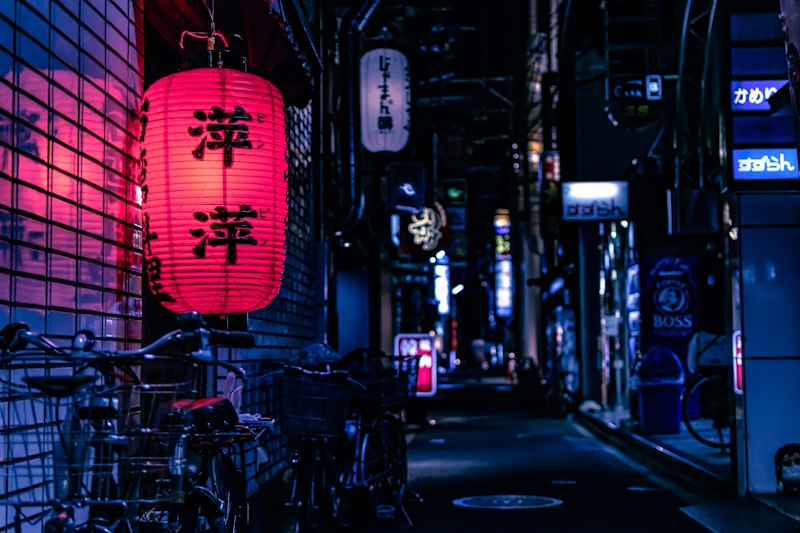
Arashiyama
Bamboo groves, the Oi River, and riverside temples on Kyoto's western edge. Best explored on foot at dawn before tour groups arrive.
Higashiyama
The preserved historic district running between Kiyomizu-dera and Yasaka Shrine. Stone-paved lanes, lacquerware shops, and lantern-lit evenings.
Experiences here


Our specialist itinerary for Kyoto
Temples, Tea & Tokyo
Kyoto, Nara, Osaka and Tokyo — our signature Japan journey, at the right pace
Best: Spring blossoms & November maple season
Avoid: Summer heat and heavy crowds
Tours & Tickets in Kyoto
Activities and skip-the-line tickets, bookable instantly alongside our curated private experiences.
Reading list for Kyoto
Essays and guides to deepen your understanding before you travel.


Planning a trip to Kyoto?
Our concierge team knows Kyoto in depth. Tell us your dates and we'll build an itinerary entirely around you — private, unhurried, considered.
Our team responds within 12 hours — usually faster.