The Maldives has spent years being marketed almost exclusively around one image, an overwater villa with a private deck stepping straight into turquoise water, and that image is accurate, but it's also only half the reason the destination is exceptional. Below the surface of that same water sits one of the best diving and snorkelling environments on earth, and a lot of travellers who book purely for the villa photo end up discovering the underwater side almost by accident.
This is the fuller version, how to actually choose between overwater and beach villas, and why the diving here deserves to be planned for deliberately rather than treated as a bonus activity.
Overwater vs Beach Villa: The Decision That Actually Matters
The overwater villa's defining appeal, direct water access and total privacy, comes at a genuine premium, often two to three times the cost of an equivalent beach villa on the same resort. Our Maldives budget vs private villa comparison covers this trade-off directly, the honest framework is that overwater villas are worth the premium specifically for travellers prioritising the direct-access experience and photography, while beach villas, at meaningfully lower cost, offer nearly identical resort amenities, house reef access, and often a larger physical footprint.
The House Reef: Why Resort Choice Matters More Than Villa Type
The single most consequential decision for a diving-focused Maldives trip isn't villa type at all, it's house reef quality, the coral reef immediately surrounding the resort's own island, since a strong house reef means excellent snorkelling is available directly off the beach at any time, no boat trip required. Resorts vary enormously here, some have thriving, colourful reefs a short swim from shore, others have reefs damaged by past bleaching events or simply positioned too far from easy shore access, research on the specific resort's house reef condition is worth doing before booking, independent of star rating or price point.
Manta Rays and Whale Sharks: The Diving Highlights Worth Planning Around
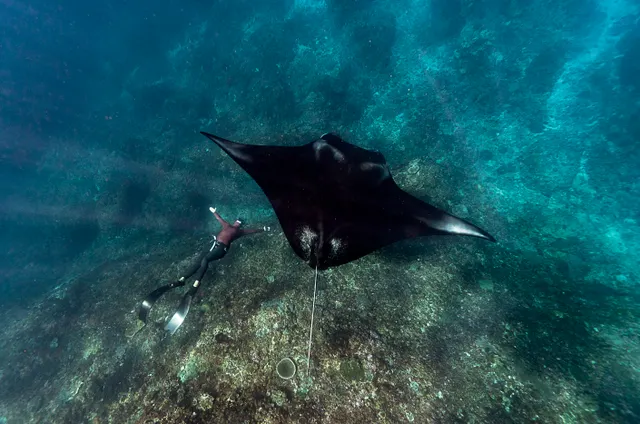
The Maldives' manta ray cleaning stations, specific reef locations where manta rays regularly gather to be cleaned by smaller fish, offer some of the most reliable large-marine-life encounters in recreational diving anywhere, particularly in the Baa Atoll during the southwest monsoon season. Whale shark encounters, while less predictable, occur with enough regularity in certain channels that dedicated whale shark tours have become a genuine specialty offering at several resorts, both experiences require planning around specific seasons and locations rather than being available uniformly year-round.
Certification Level: What You Actually Need
A useful, underused piece of planning advice: an open water certification is sufficient for the large majority of Maldives diving, most house reef and nearby channel dives sit well within recreational depth limits. Manta ray and whale shark encounters specifically often involve stronger currents and drift diving conditions, where an advanced certification or at minimum a dive guide experienced with the specific site becomes important rather than optional.
Snorkelling as a Legitimate Alternative to Diving
For travellers not certified to dive, or simply preferring not to, a strong house reef resort delivers a comparable experience via snorkelling alone, Maldivian reefs are shallow enough in many locations that a large share of the marine life visible to divers is equally visible from the surface. This is worth knowing before assuming diving certification is a prerequisite for the Maldives' underwater appeal, it isn't, for a meaningful share of what the reefs offer.
Seasonality: When to Go for Diving vs When to Go for Weather
The Maldives' dry season, roughly December through April, offers the most reliable calm-water conditions for both diving and general resort weather, but manta ray sightings in particular are seasonally tied to monsoon current patterns and sometimes peak during the wetter months, a genuine trade-off worth researching for the specific atoll and resort in question rather than defaulting to "dry season is always better."
Sustainability: A Genuine Consideration in a Fragile Ecosystem
Coral reef health across the Maldives has been affected by bleaching events tied to rising ocean temperatures, and resorts vary considerably in their conservation investment, from active coral restoration programs to essentially no visible sustainability effort at all. Choosing a resort with a genuine, verifiable marine conservation program isn't just an ethical preference, it directly affects the quality of the house reef experience a guest actually gets, healthier reefs mean better diving and snorkelling, the incentives here are aligned.
Getting There: Seaplanes, Speedboats, and the Real Cost of Transfers
Resort transfer logistics are worth factoring into the villa-type decision itself, seaplane transfers to more remote atolls add a memorable, if pricey, leg to the trip, while speedboat-accessible resorts closer to Male cost less to reach but generally have fewer of the ultra-remote, glass-clear water conditions that define the classic Maldives image. Neither option is objectively better, but the transfer cost and time should be weighed against the villa budget as a single combined decision rather than two separate ones.
Frequently Asked Questions
Do I need to be a certified diver to enjoy the Maldives' marine life? No, many resorts have house reefs shallow and healthy enough that snorkelling alone reveals a large share of the same marine life divers see, certification opens up more sites but isn't a prerequisite for a strong underwater experience.
Is an overwater villa worth the extra cost for a diving-focused trip? Not necessarily, house reef quality matters far more than villa type for diving and snorkelling access, a beach villa at a resort with an excellent house reef is often the better value choice for divers specifically.
When is the best time to see manta rays in the Maldives? It varies by atoll and monsoon pattern, the Baa Atoll's manta cleaning stations are particularly active during the southwest monsoon season, research the specific resort's location before assuming a blanket "best month."
Are whale shark encounters guaranteed on a Maldives trip? No, they're considerably less predictable than manta ray sightings, though certain channels and resorts have strong enough track records to offer dedicated whale shark search tours.