
Okayama
The Land of Sunshine, with a black castle, one of Japan's three great gardens and the canal town of Kurashiki
Okayama
Okayama is a calm and sunny city in western Japan, on the Inland Sea, and it is one of the best bases for a trip into the part of the country that lies between Osaka and Hiroshima. The prefecture is known for its mild weather and its low rainfall, which has earned it the nickname of the Land of Sunshine, and it is also the home of the legend of Momotaro, the Peach Boy, who set out with a dog, a monkey and a pheasant to fight a band of ogres. Statues of the hero stand in front of the station and in many other places, and the white peaches of the region are famous across Japan.
Okayama Castle is the symbol of the city. Its keep was painted black, which has given it the nickname of the Crow Castle, and it stands on the bank of the Asahi River, facing the garden across the water. The original building was destroyed in the Second World War and rebuilt in concrete, but its shape, with the lacquered black walls and gilded decorations, is striking, and the interior has displays on the lords who ruled the region and a chance to try on samurai costumes. The view from the top gives a good sense of the layout of the city.
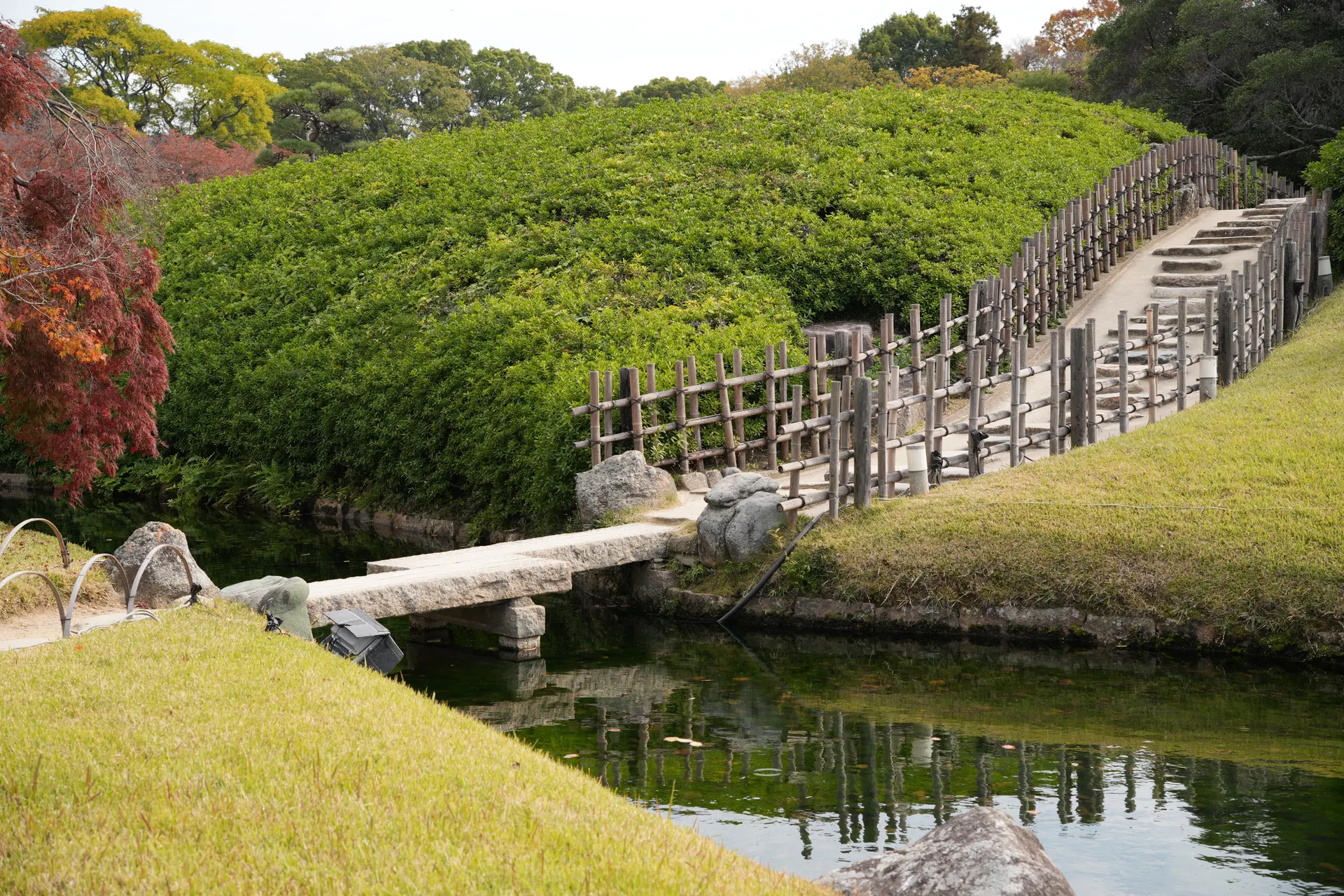
Korakuen, the garden on the other side of the river, is counted as one of the three great gardens of Japan, with Kenrokuen in Kanazawa and Kairakuen in Mito. It was built in the early eighteenth century for the lord of the domain, and it was designed for strolling, with wide lawns, a pond, tea houses, streams and artificial hills that frame views of the castle in the background. Cranes are kept in a small enclosure, and the garden is lit for special evening openings in spring, summer and autumn. A walk through it takes an hour or two, and it is one of the most relaxing visits in the region.
Kibitsu Shrine, a short train ride to the west, is a place of legend. It is associated with the story of Momotaro and is known for a long, roofed corridor that winds across the hillside for hundreds of metres, and for a hall with an unusual double-roofed design. The shrine is also known for a ritual in which the sound of rice boiling in a large iron pot is used for divination. Visitors can walk along the corridor and enjoy the views over the plain, and the cycling route that connects the shrine with other ancient sites is a pleasant way to spend a day.
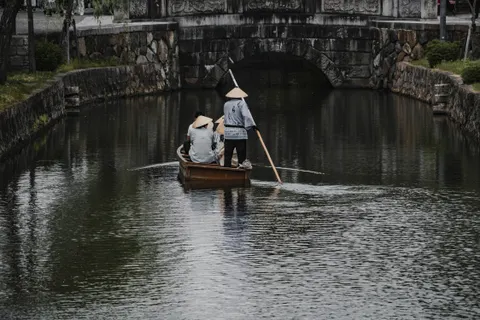
Kurashiki, about fifteen minutes from Okayama by train, is the region's best-known sight. The Bikan Historical Quarter has white-walled storehouses, willow trees and a canal that was once used to carry rice and cotton, and the old merchant houses have become shops, cafes and small museums. The Ohara Museum of Art, opened in 1930, was the first museum in Japan devoted to Western art, and its collection includes works by El Greco, Monet and Gauguin as well as Japanese artists. Ivy Square, a former textile mill covered in ivy, is now a hotel and a cultural complex, and the Kojima district nearby is known as the jeans capital of Japan.
Craft traditions are strong. Bizen ware, a rustic pottery that is fired without glaze for many days in wood kilns, is made in the town of Imbe, and the Bizen Osafune sword museum recalls the area's history as a centre of sword-making. Denim and jeans are the modern face of the same skill, and many of the best-known Japanese brands manufacture here. The region also has a good table, with barazushi, a bowl of sushi rice covered with seafood and vegetables, demi-katsu don, a pork cutlet with a rich sauce, and fruit such as muscat grapes and white peaches in season.
The islands of the Inland Sea are close. Ferries from Uno Port and the nearby harbours reach Naoshima, Teshima and Inujima, the art islands that have become one of the great cultural destinations in Japan, with museums designed by Tadao Ando and others, and installations that use the landscape. The islands are best seen on a full day, and travellers who plan to spend a night there will have a more relaxed visit. Okayama is also the gateway to Shikoku, by the Seto-Ohashi bridge, and to Hiroshima and Himeji by Shinkansen.
Getting here is easy. The Shinkansen links Okayama with Osaka in about 45 minutes and with Hiroshima in about 40, and the Seto-Ohashi line connects it with Takamatsu in under an hour. The city centre is compact, and a streetcar and buses reach the main sights. Spring brings cherry blossoms and the peach season, autumn brings colour to the garden, and summer is hot. The weather is dry in most seasons, which makes Okayama a good choice for travellers who want to avoid the rain.
One day is enough for the castle, the garden and a regional lunch, and a second day allows Kurashiki, Kibitsu Shrine or one of the art islands. A private walking tour with a licensed guide is an efficient way to link them, since the sights are spread across the city and the neighbouring town. The Okayama experiences on Excurze include a customised private tour of the city and a customised tour of Kurashiki, and our concierge can combine them with Naoshima, Hiroshima and Takamatsu, and arrange the trains, the hotels and the meals in a region that is easy to love.
Planning a trip to Okayama?
Our team designs private itineraries for each traveller — no templates, no group tours.
Speak to concierge
Hotels, flights and more in Okayama
Where to stay
Compare hotel rates for your dates with three booking partners.
Getting there
Compare flight prices from your airport before you fix your dates.
Compare flights on AviasalesThese are affiliate links: if you book through them, Excurze may earn a commission at no extra cost to you.
More to explore in Japan
Okinawa
Japan's subtropical islands, a world apart from Tokyo and Kyoto
Osaka
Japan's kitchen, unbuttoned and unapologetic
Sendai
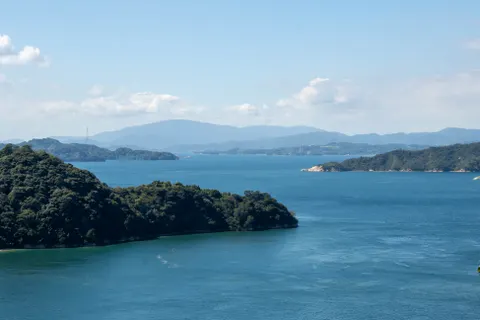
The tree-lined capital of northern Japan, with a one-eyed lord's mausoleum, grilled beef tongue and the pine islands of Matsushima
Takamatsu
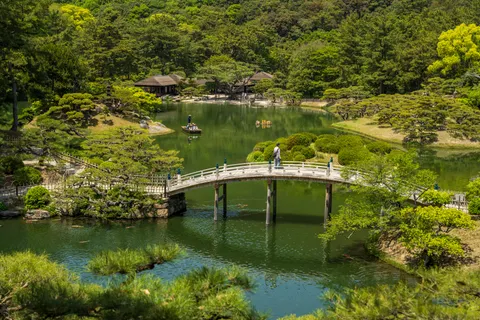
The gateway to Shikoku, with a daimyo's garden, udon in every street and the art islands of the Seto Inland Sea


Planning a trip to Okayama?
Our concierge team knows Okayama in depth. Tell us your dates and we'll build an itinerary entirely around you — private, unhurried, considered.
Our team replies to every enquiry by email.