
Sendai
The tree-lined capital of northern Japan, with a one-eyed lord's mausoleum, grilled beef tongue and the pine islands of Matsushima
Sendai
Sendai is the largest city in the Tohoku region, in the north of Honshu, and it is known as the City of Trees for the zelkova avenues that line its main streets. It was founded in the early seventeenth century by Date Masamune, a daimyo who is one of the most colourful figures in Japanese history. He wore an eye patch, supported foreign trade and built a domain that lasted to the end of the samurai era. His memory is present everywhere in the city, and the city rewards visitors who like history, food and a calm rhythm after the density of Tokyo.
The main sights belong to the Date family. Zuihoden, the mausoleum of Masamune, stands in a cedar forest on a hill on the edge of the city. It was built in the early seventeenth century in the colourful Momoyama style, with gilded carvings and bright pigments, and it was rebuilt after the Second World War. Nearby, the mausoleums of his heirs add to the atmosphere. At the ruins of Aoba Castle, high above the city, a large statue of Masamune on horseback looks over the streets, and the stone walls give a sense of the scale of the original fortress.
Walking in Sendai is a pleasure, since the centre is flat and the avenues are shaded. The Jozenji-dori avenue, with its tall trees, hosts a street music festival in September, and the Sendai Mediatheque, a library and gallery by the architect Toyo Ito, is an example of modern design. In early August, the Sendai Tanabata Festival fills the shopping arcades with huge paper decorations, and it is one of the biggest summer festivals in the north of the country. In winter, the city is cold, with light snow, and its illuminations on Jozenji-dori bring light to the long evenings.
Food is a good reason to stay a night or two. Gyutan, grilled beef tongue, is the city's signature dish, served thick and charred, with barley rice, oxtail soup and pickles, and it is available in dozens of restaurants around the station. Zunda, a sweet paste made from mashed green soybeans, appears in mochi, shakes and desserts, and sasakamaboko, fish paste grilled into the shape of a bamboo leaf, is a classic local snack. The region produces excellent rice and sake, and the seafood of the Pacific coast, particularly oysters, is a highlight in the cold months.
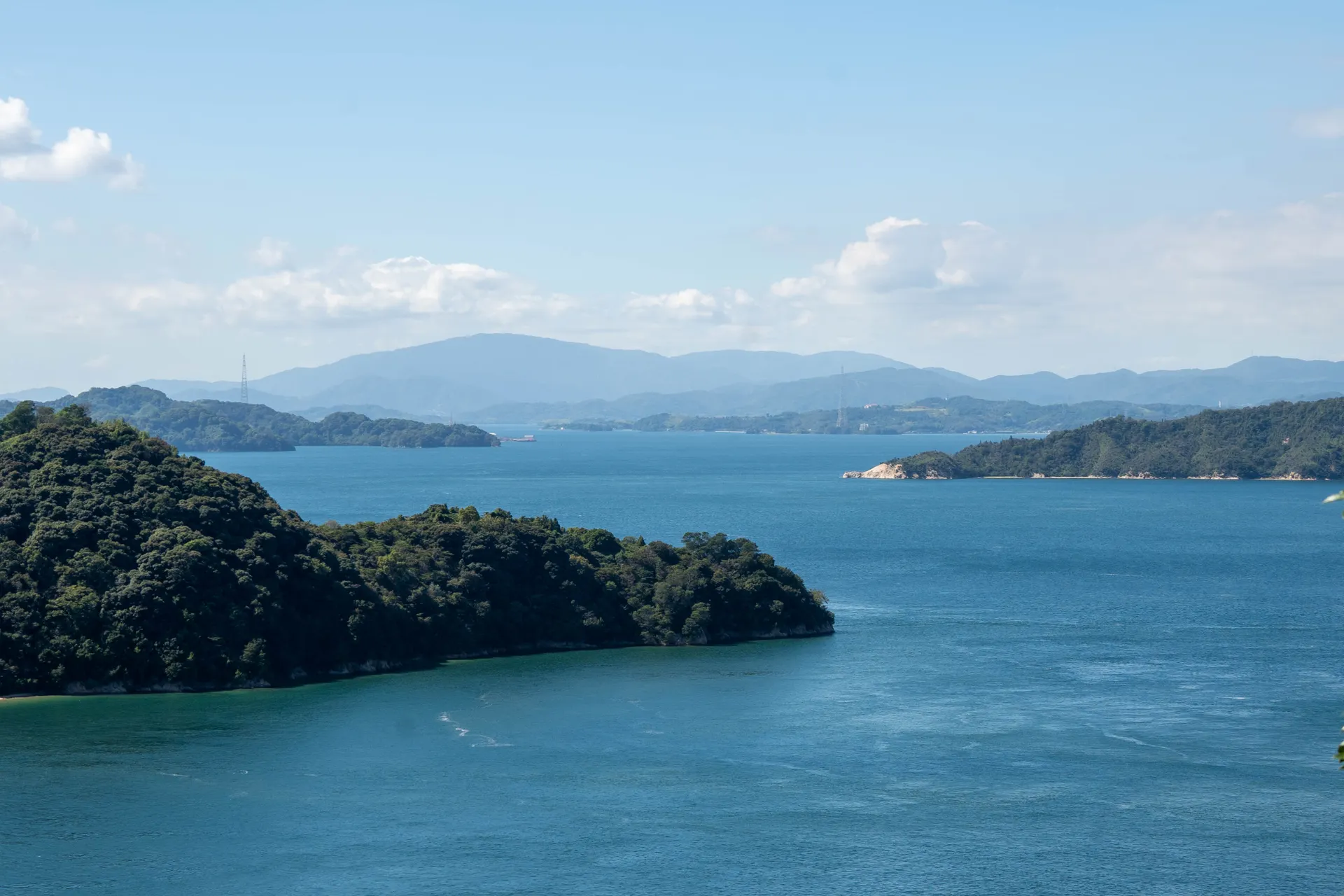
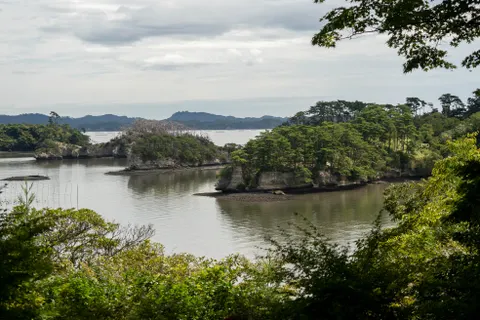
Matsushima is the best-known excursion. The bay, about half an hour from Sendai by train, holds more than two hundred small pine-covered islands, and it has been counted since the seventeenth century among the three most beautiful views in Japan. Boats cross the bay, and on land the Zuiganji temple, linked to the Date family, the small red Godaido hall and the Entsuin temple complete the tour. Nearby, Shiogama is known for its fish market and its sushi, and for a shrine that stands on a hill above the harbour.
The coast carries a more serious history. In 2011 the great earthquake and tsunami devastated the Pacific shoreline of Tohoku, and the areas around Sendai were among the most affected. Memorial sites and small museums recall the events, and visitors can learn about the recovery from local people. The islands of Matsushima were protected in part by the shape of the bay, and the town reopened to visitors, a sign of the resilience of the region.
Further afield, the mountains of Yamagata and Miyagi offer hot springs and winter scenery. Ginzan Onsen, a village of wooden inns along a river, looks like a postcard in the snow. The Zao fox village, a sanctuary where visitors can see several species of fox, is a popular day trip, and the Zao mountains are known for their snow monsters, trees covered with ice and snow, in the winter. Yamadera, a mountain temple reached by a long stone stairway, is one of the most famous sights of the region.
Getting to Sendai is simple. The Tohoku Shinkansen links it with Tokyo in about an hour and a half, and Sendai Airport has flights from several Asian cities. In the city, the subway, the loop bus and a short walk reach the main sights. Spring brings cherry blossoms, summer is mild with festivals, and autumn is a beautiful time with colour in the hills and in the mausoleum forest. Winter is cold, with snow in the surrounding mountains.
One day is enough for Zuihoden, the castle site and a gyutan lunch, and two days allow Matsushima or a mountain excursion. The Sendai experiences on Excurze include a customised private tour with a licensed guide and a private day trip that combines Matsushima and Sendai by car. Our concierge can link them with Yamagata, the hot springs of Tohoku and the rest of the northern coast, and plan the trains, the hotels and the meals in a region that rewards patience and an appetite.
Planning a trip to Sendai?
Our team designs private itineraries for each traveller — no templates, no group tours.
Speak to concierge
Hotels, flights and more in Sendai
Where to stay
Compare hotel rates for your dates with three booking partners.
Getting there
Compare flight prices from your airport before you fix your dates.
Compare flights on AviasalesThese are affiliate links: if you book through them, Excurze may earn a commission at no extra cost to you.
More to explore in Japan
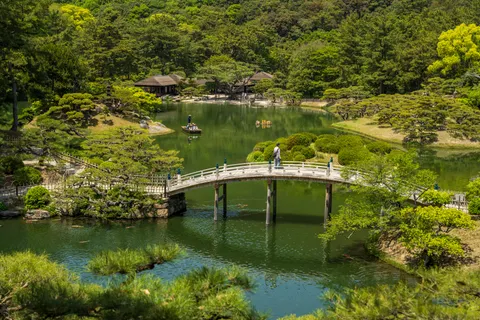
Takamatsu
The gateway to Shikoku, with a daimyo's garden, udon in every street and the art islands of the Seto Inland Sea
Takayama
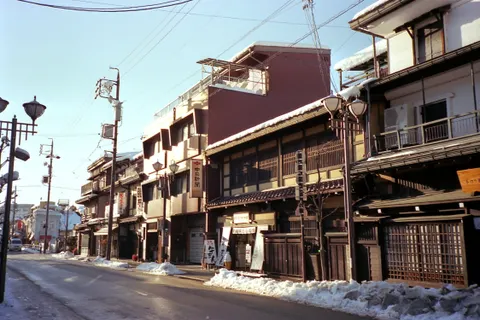
A preserved Edo-period town in the Japan Alps, and the thatched villages of Shirakawa-go
Tokyo
The world's most orderly chaos
Beppu
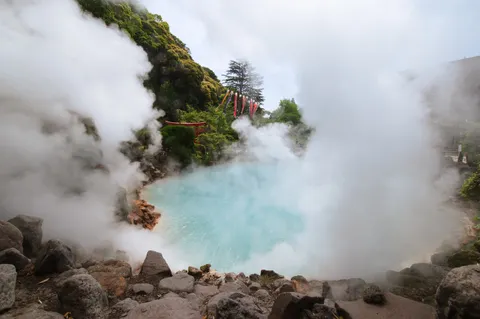
Japan's steam town, where geothermal hells, sand baths and vegetables cooked in volcanic vents are part of daily life

Planning a trip to Sendai?
Our concierge team knows Sendai in depth. Tell us your dates and we'll build an itinerary entirely around you — private, unhurried, considered.
Our team replies to every enquiry by email.