
Kochi
A Pacific-coast castle town on Shikoku, with seared bonito, a three-century-old street market and a hero of the Meiji Restoration
Kochi
Kochi is the capital of the prefecture of the same name, on the southern coast of Shikoku, and it feels more open, more relaxed and more outspoken than most Japanese cities. Cut off from the rest of the country by mountains and facing the Pacific, the region was known in the past as Tosa, and its people have a reputation for being direct, good-humoured and fond of a drink. The city has a castle, a famous market, a botanical garden and a table that is among the best in western Japan, and it sees far fewer visitors than the larger cities to the north.
Kochi Castle is one of the twelve castles in Japan whose main keep survives from the age of the samurai. The present buildings date from the middle of the eighteenth century, after a fire destroyed the earlier ones, and the keep, with its wooden structure, its steep stairs and its balcony, gives a view over the city and the mountains. The Honmaru Palace beside it is one of the very few palace halls of its kind that remain, and the castle's stone walls and gates are impressive. The castle sits on a hill in the middle of the city, and the free walking routes around it make it a pleasant place to spend a morning.
The most celebrated local figure is Sakamoto Ryoma, who was born in Kochi and who played a major part in the events that ended the rule of the shogun in the 1860s. He is one of the most popular heroes in Japan, and the city is full of reminders of him: statues, museums and memorial sites, including a tall statue on the cliff above Katsurahama Beach, a few kilometres south of the centre. The beach, on the Pacific coast, is a scenic place for a walk, with a small aquarium and a museum devoted to Ryoma.
The food is the best reason to visit. Katsuo no tataki, bonito seared quickly over a straw fire and served in thick slices with garlic, ginger and citrus, is the great dish of Kochi, and the version eaten here is unlike any other. Hirome Market, a lively food hall with more than sixty stalls, is the place to try it, along with other local dishes, and to sit at a long table with locals. The region is also known for yuzu, the citrus that flavours many dishes, for nabeyaki ramen served in a clay pot, and for a spirit of conviviality that makes every meal a party.
The Sunday Market is one of the oldest in Japan, with a history of more than three hundred years, and it stretches for about a kilometre along a street near the castle. Hundreds of stalls sell vegetables, fruit, flowers, knives, potted plants, local snacks and crafts, and the atmosphere is cheerful. Arrive early for the best choice and to avoid the heat. Nearby, the Harimayabashi, a small red bridge tied to a well-known local love story, is a favourite photo stop.
Makino Botanical Garden, on a hill on the edge of the city, is dedicated to Tomitaro Makino, the botanist who is called the father of Japanese botany. It holds thousands of species of plants, arranged among woodland paths, greenhouses and a museum, and the setting, with views over the bay, is relaxing. The garden is at its best in spring, when many plants flower, and in autumn.
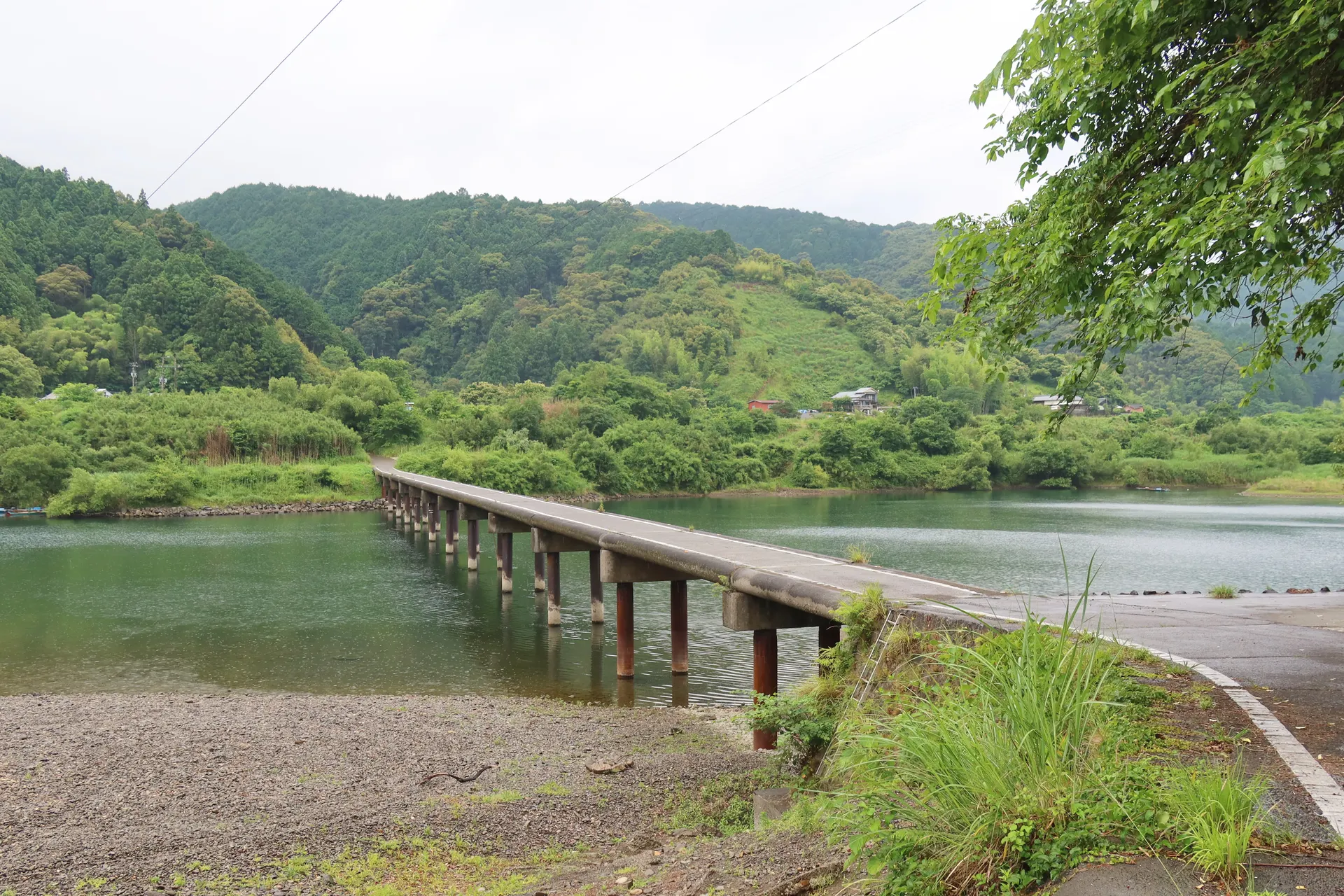
The countryside offers wonders. The Shimanto River, often described as one of the last clear rivers in Japan, runs through the west of the prefecture, with traditional low bridges and canoe trips. The Niyodo River is known for the vivid blue of its water, and Cape Muroto, in the east, is part of a UNESCO Global Geopark with dramatic coastal rocks. The famous Iya Valley, with its vine bridges, lies just across the border in Tokushima, and the Yosakoi Festival, which began in Kochi in the 1950s and spread across the country, fills the streets with dancers each August.
Getting to Kochi takes a little planning. The city has an airport with flights from Tokyo and Osaka, and trains from Okayama take about two and a half hours on the limited express through the mountains. A streetcar line crosses the city and reaches most of the main sights, and walking is pleasant. Spring and autumn are the best seasons, summer is hot and wet, with typhoons possible, and winter is mild.
One day is enough for the castle, the market, the botanical garden and a good meal, and a second day allows Katsurahama and a river excursion. A private guide can make the history of Tosa and of Ryoma clear and can lead you through the food stalls. The Kochi experience on Excurze is a customised private tour with an English-speaking guide, with a longer option by private vehicle that adds the beach. Our concierge can combine it with Takamatsu, Matsuyama and the Iya Valley, and arrange the transport, the hotels and the tables at the market.
Planning a trip to Kochi?
Our team designs private itineraries for each traveller — no templates, no group tours.
Speak to conciergeExperiences here

Hotels, flights and more in Kochi
Where to stay
Compare hotel rates for your dates with three booking partners.
Getting there
Compare flight prices from your airport before you fix your dates.
Compare flights on AviasalesThese are affiliate links: if you book through them, Excurze may earn a commission at no extra cost to you.
More to explore in Japan

Koyasan
Japan's mountain monastery town, with a vast forest cemetery and temple lodgings in the Kii Mountains
Kumamoto
A great castle with curved stone walls, a garden in the shape of an old road and the rim of the Aso volcano close by
Kyoto
Where ancient Japan still breathes

Matsue
A castle town on a lake in Shimane, with an original keep, samurai lanes, a writer's house and famous sunsets

Planning a trip to Kochi?
Our concierge team knows Kochi in depth. Tell us your dates and we'll build an itinerary entirely around you — private, unhurried, considered.
Our team replies to every enquiry by email.