
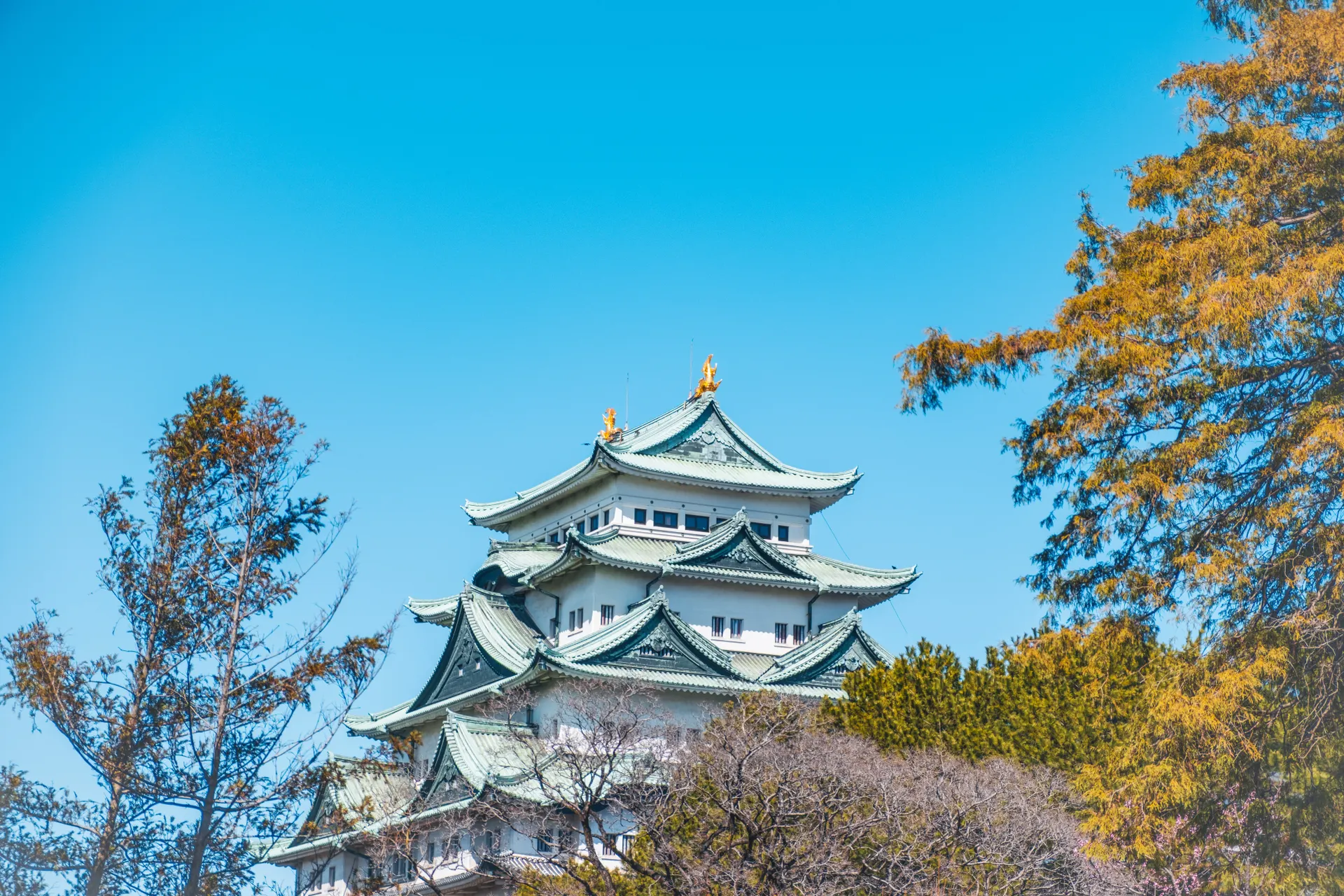
Nagoya
A castle city at the centre of Japan, with a golden-dolphin keep, an ancient shrine and a food scene all its own
Nagoya
Nagoya is the fourth-largest city in Japan, and it sits almost exactly in the middle of the country, between Tokyo and Kyoto. It is the capital of Aichi Prefecture and the heart of the Chubu region, and it is best known as the home of Toyota and of a manufacturing tradition that grew from local textile and ceramics workshops. Many travellers pass through it on the Shinkansen without stopping. Those who do stay find a city with real depth: a castle, one of the most important shrines in the country, excellent museums and a regional cuisine that locals defend fiercely.
Nagoya Castle is the symbol of the city. It was built at the start of the seventeenth century for the Tokugawa clan, after Tokugawa Ieyasu ordered the construction of a stronghold to guard the main road between Edo and Kyoto and to hold the family's western lands. The main keep is topped with a pair of golden shachihoko, mythical creatures with the head of a tiger and the body of a fish, which have become a symbol of Nagoya itself. The grounds are large and open, with stone walls, moats and a palace whose painted sliding doors show the style of the early Edo period.
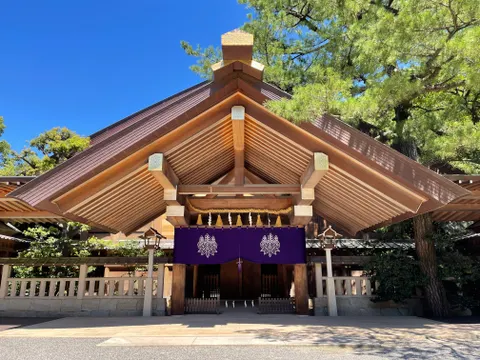
Atsuta Shrine is the other great landmark, and many visitors find it more moving than the castle. It is among the most revered Shinto shrines in Japan, and tradition says that it houses the Kusanagi sword, one of the three sacred treasures of the imperial family. The shrine stands in a quiet forest of camphor trees in the middle of the city, with wide gravel paths, wooden halls and a calm that is hard to believe so close to a major station. Locals come to pray before important events, and the grounds also hold a small museum of treasures and several tea houses.
The museums add variety. The Tokugawa Art Museum holds the possessions of the Owari branch of the family, including swords, armour, tea utensils and a famous illustrated scroll of The Tale of Genji. The Toyota Commemorative Museum of Industry and Technology is set in a former textile factory and traces the company's roots from automatic looms to cars, with working machines and demonstrations that interest even those who care little about industry. Noritake no Mori, the garden and museum of the porcelain maker, and the Nagoya City Science Museum, with its large planetarium, are good options for families.
The food is a reason to stay for a few meals. The cooking of the region, called Nagoya meshi, favours strong flavours. Miso katsu, a pork cutlet covered in a thick sauce made from dark red miso, is the best-known dish, and hitsumabushi, grilled eel served over rice that you eat in three ways, is a regional classic. Tebasaki, deep-fried chicken wings seasoned with pepper and sesame, and kishimen, flat wheat noodles in a light broth, complete the list. The morning service at local cafes, where a drink comes with toast and a boiled egg, is a tradition that visitors enjoy as much as the dishes.
The city has pleasant areas for an afternoon walk. Osu is a lively district of covered shopping streets, vintage shops, electronics stores and small temples, and it is the best place for street food and people-watching. Sakae, the main commercial area, has department stores, the Oasis 21 complex and the Nagoya TV Tower, and Shirotori Garden offers a quiet Japanese landscape beside the river. The Sky Promenade, an observation deck in the Midland Square tower, gives views over the whole plain on a clear day.
Several excursions start easily from Nagoya. Inuyama Castle, a short train ride to the north, is one of the few original castle keeps that survive in Japan and is a National Treasure. Close to it, the Museum Meiji-mura gathers historic buildings from the Meiji era, among them the entrance of Frank Lloyd Wright's old Imperial Hotel, in a large open-air park. Further afield, buses and trains reach Gifu, the thatched houses of Shirakawa-go and the old town of Takayama, and the Ise Shrines are within reach for a long day trip. Ghibli Park, opened in 2022 in Aichi, draws fans of the studio's films.
Getting here is easy. The Tokaido Shinkansen links Nagoya with Tokyo in roughly an hour and forty minutes, with Kyoto in about half an hour and with Osaka in under an hour. Chubu Centrair International Airport is a short train ride from the city, and the subway and the trains cover the main sights. Spring brings cherry blossoms to the castle and the parks, autumn gives the gardens colour, and summer is hot and humid. Winter is cold but mostly clear.
One full day is enough for the castle, Atsuta Shrine and a regional meal, and two days allow a museum, Osu and an excursion. Because the sights are spread out, a private walking tour with a licensed guide is an efficient way to connect them and to learn the stories behind the buildings. The Nagoya experience on Excurze is a customised walking tour, and our concierge can link it with Kyoto, Takayama and the Japanese Alps, arranging trains and hotels so that the stop in the middle of Japan becomes a destination in its own right.
Planning a trip to Nagoya?
Our team designs private itineraries for each traveller — no templates, no group tours.
Speak to conciergeExperiences here
Hotels, flights and more in Nagoya
Where to stay
Compare hotel rates for your dates with three booking partners.
Getting there
Compare flight prices from your airport before you fix your dates.
Compare flights on AviasalesThese are affiliate links: if you book through them, Excurze may earn a commission at no extra cost to you.
More to explore in Japan
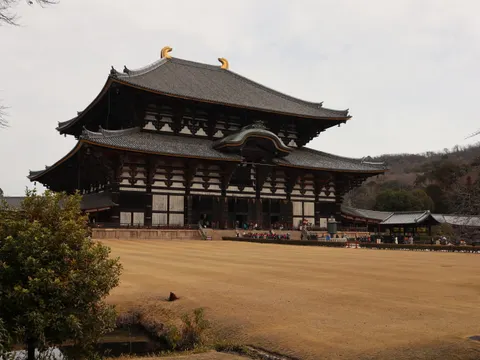
Nara
Japan's first permanent capital, with a bronze Great Buddha, mossy lanterns and deer that bow for biscuits

Nikko
Gilded shrines in a cedar forest, a 97-metre waterfall and a mountain lake, two hours north of Tokyo
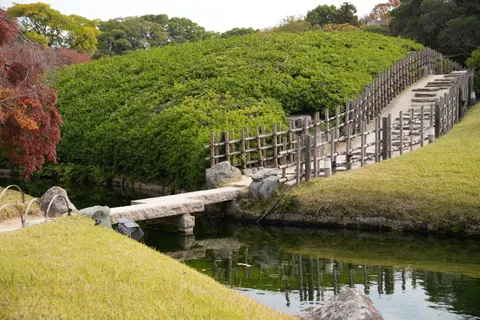
Okayama
The Land of Sunshine, with a black castle, one of Japan's three great gardens and the canal town of Kurashiki
Okinawa
Japan's subtropical islands, a world apart from Tokyo and Kyoto

Planning a trip to Nagoya?
Our concierge team knows Nagoya in depth. Tell us your dates and we'll build an itinerary entirely around you — private, unhurried, considered.
Our team replies to every enquiry by email.