
LGBTQ+ travellers in Asia
Asia is not one place for LGBTQ+ travellers. The law, and daily life, differ sharply from country to country: marriage is legal in Taiwan and Thailand, same-sex relations are legal but unrecognised in Japan and South Korea, and they remain criminal offences in Malaysia and Sri Lanka. A trip needs to be planned with that in mind, not just with the weather.
What follows is a summary from public sources, checked in October 2026. Laws change, and news moves faster than a web page. Before you book, read your own government's travel advice and a current source such as ILGA World or Equaldex, and tell us about anything specific to you. We would rather change a plan than put anyone at risk.
Where the law is clearest
Taiwan legalised same-sex marriage in 2019, the first jurisdiction in Asia to do so. Thailand's marriage equality law took effect on 23 January 2025, with some gaps remaining in areas such as adoption and gender recognition. Both are good starting points for a first trip.
Japan has no national marriage equality, though many municipalities issue partnership certificates, and same-sex relations are legal. South Korea does not recognise same-sex marriage, but same-sex relations are not a crime and the culture, particularly in Seoul, is open about it. China, the Philippines and Laos do not criminalise same-sex relations, and none offers marriage. Advocacy in China is restricted.
India, Nepal, Bhutan and the rest
India decriminalised same-sex relations in 2018, and the Supreme Court declined to create marriage equality in 2023. Nepal's constitution protects against discrimination on grounds of sexual orientation and gender identity, and recognition of marriage has been the subject of court orders and political debate, so check the current position. Bhutan decriminalised same-sex relations in 2021. Vietnam, Cambodia and Mongolia do not criminalise them, according to the sources we have seen.
Where we would be careful
Malaysia criminalises same-sex relations under civil and Sharia law. Sri Lanka's penal code still criminalises them, and a repeal bill has been before the courts and parliament, so check its status. Indonesia is more complicated: Aceh applies Sharia penalties, a new national criminal code that took effect in January 2026 covers sex outside marriage on complaint, and sources disagree about how far it reaches. Bali is more tolerant in practice, and we would still plan it with care. We do not recommend these countries without a conversation first.
Practical points
Even in tolerant places, public displays of affection draw less attention in cities than in villages and religious sites, and attitudes differ between the capital and the countryside. Hotel policies and staff attitudes vary, even in tolerant places. Tell us who is travelling and we will ask the hotel before booking, and tell you what we learn, including when we cannot find out.
Weddings and commitment ceremonies
Taiwan and Thailand allow same-sex marriage, and some couples marry there. The rules for foreign couples, including the documents required and whether your home country will recognise the marriage, differ by country and by passport, and they change. Check with the local registrar and your own embassy. We can help with the trip around the ceremony, but we cannot give legal advice.

7 days · Taipei, Taroko Gorge
Taiwan: Taipei and Taroko Gorge
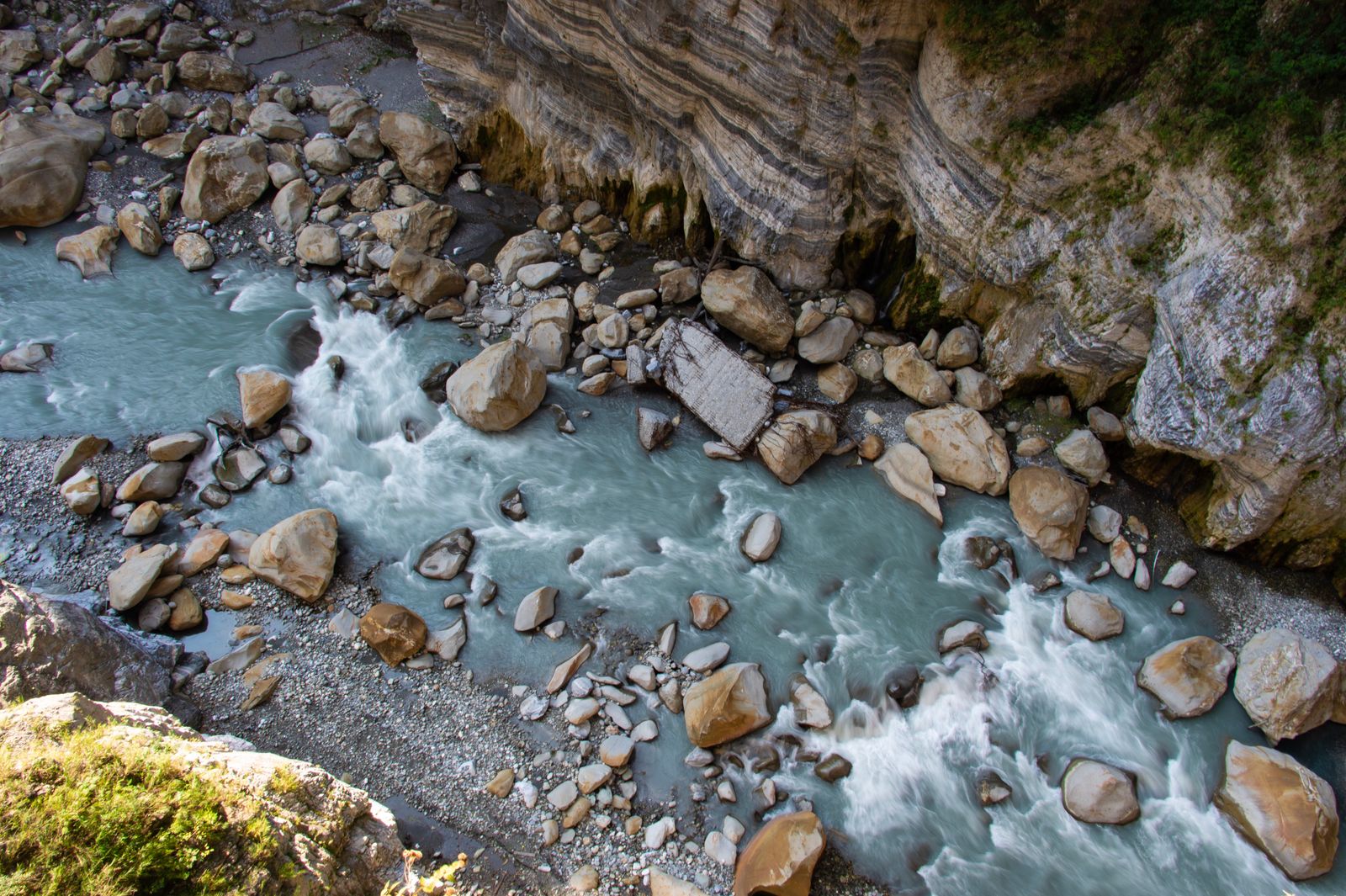
Taipei's night markets and temples, then two nights beside Taroko Gorge
from €150 per person per day
Taiwan has had marriage equality since 2019. A calm first trip, with Taipei's temples and food and the Taroko Gorge.

7 days · Seoul, Gyeongju, Jeju Island
Seoul, Gyeongju & Jeju
Gyeongbokgung and Bukchon, Silla temples in Gyeongju, Jeju's lava tube and haenyeo divers
from €250 per person per day
Seoul is open, lively and easy, though marriage is not recognised. A week in Seoul, Gyeongju and Jeju.

8 days · Kyoto, Nara, Osaka
Temples, Tea & Tokyo
Fushimi Inari at dawn, Nara's deer and temples, a sushi counter in Tokyo
from €550 per person per day
Legal and widely calm, with municipal partnership certificates but no national marriage. A classic spring route through Kyoto and Tokyo.
Tell us who is travelling and what matters to you, and we will say plainly what we know and what we do not.
Will hotels ask for a marriage certificate?
Policies differ, and some hotels in some countries do ask for one for any unmarried couple, of any gender. We ask the hotel before we book and tell you what we learn. Where we cannot find out, we say so.
What should I carry and be careful with?
Copies of your documents and insurance, and the number of your embassy. In countries where same-sex relations are criminalised, think carefully about dating apps, photos and messages on your phone, since a police check could involve them. Ask us if you are unsure.
Where can I check the current rules?
Your own government's travel advice, such as the UK Foreign Office or the US State Department, and sources such as ILGA World and Equaldex. Laws change, and we ask you to check them rather than rely on a page that may be months old.
When to go
Asia by month · January · February · March · April · May · June · July · August · September · October · November · December
Other guides
Multigenerational trips · Teenagers · Solo travellers · Honeymoons
Speak to the concierge