Skip to content
Excurze

Where to go in Asia in January

January splits Asia in two. North of the tropics it is deep winter: Japan and Korea are cold, and Mongolia and northern China are frozen. South of that line it is the dry season, with the best weather of the year in Thailand, Cambodia, Laos, Sri Lanka's west coast and most of India. If you want sun, go south. If you want snow, onsen and empty temples, go north.

The price of the good weather is crowds and high rates, particularly in the first days of the year. Rooms, guides and flights in the main beach and temple areas sell out early. The northern winter is cheaper, and quieter, but you pay for it in short days and cold. Choose by what you want from the trip and book earlier than you think you need to.

At a glance

Best time

Cambodia and Laos, Thailand, The Philippines, Sri Lanka, India

Good

Japan, Taiwan, Vietnam, Malaysia

Hard going

South Korea, China, Mongolia

Region by region

Cambodia and Laos

Angkor, Luang Prabang

Best time

Dry, sunny and warm by day, with cool mornings, especially in northern Laos where it can be cold at dawn. Angkor is busy but at its most comfortable. Luang Prabang's river is calm and its roads are dry.

Angkor, Unhurried, 5 daysLuang Prabang, Slowly, 6 days

Thailand

Bangkok, Chiang Mai, Phuket, Samui

Best time

Cool, dry and sunny nearly everywhere. Bangkok and Chiang Mai are comfortable, and the Andaman coast around Phuket and Krabi has calm seas. High season prices and crowds apply, especially in the first days of the month.

Thailand Unhurried, 11 days

The Philippines

Manila, El Nido, Cebu, Bohol

Best time

Dry and relatively cool, with calm seas on Palawan and the central islands. Sinulog in Cebu, in the middle of the month, brings huge crowds and street parties. Cool air in Manila, which is a relief for sightseeing.

El Nido, by Island Resort, 7 days

Sri Lanka

Sigiriya, Kandy, Ella, Galle

Best time

Dry and sunny on the south and west coasts, and the hill country is cool and clear. The Ella train and the tea estates are at their best. The north-east monsoon is ending in the east. Peak season for the beaches around Galle.

Sri Lanka: Coast & Culture, 14 days

India

Rajasthan, Kerala, Delhi

Best time

Cool, clear days in Rajasthan, mild weather in Kerala, and good conditions in the south. Delhi can be foggy and cold in the early mornings and can disrupt flights. Peak season, with high prices around the new year.

Palaces of Rajasthan, Waters of Kerala, 10 days

Japan

Kyoto, Tokyo, Hokkaido

Good

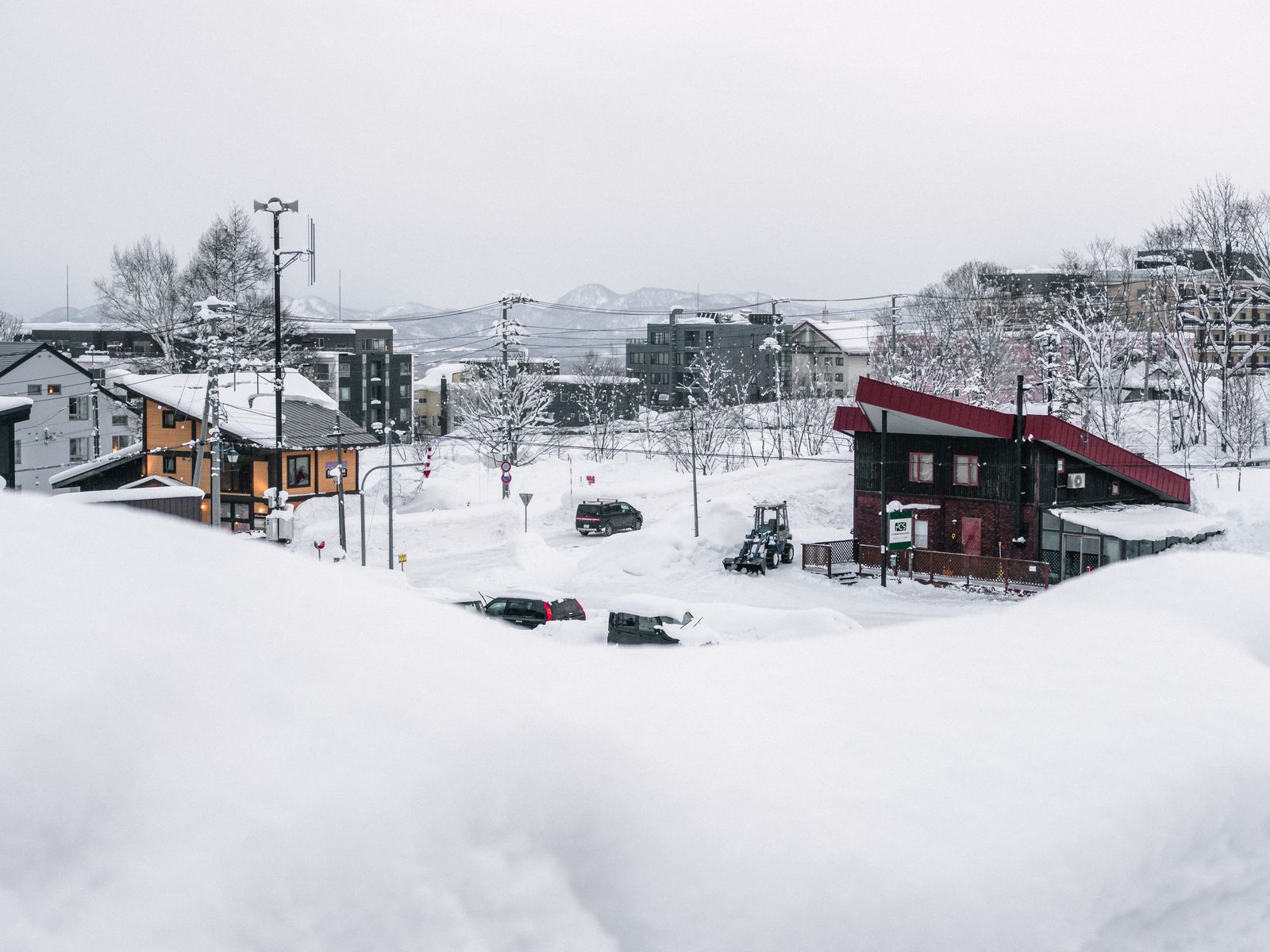
Cold and dry in Tokyo and Kyoto, with clear skies and short days. Temples are quiet and onsen are at their best. Hokkaido and the Alps have deep snow for skiing. Most businesses close for the first three days of the year, so plan around that.

Niseko: A Week in the Powder, 7 days

Taiwan

Taipei, Taroko, Tainan

Good

Cool and damp in Taipei, with grey skies and drizzle, but pleasant in the south. Hot springs at Beitou are the point of the month. Taroko Gorge is clear on dry days. Lunar new year, around the end of the month, shuts many shops.

Taiwan: Taipei and Taroko Gorge, 7 days

Vietnam

Hanoi, Ha Long Bay, Hoi An, Saigon

Good

The south and centre-south are dry and warm, good for Saigon, the Mekong Delta and the beaches. Hanoi is cool and often drizzly. Tet, the lunar new year, can fall at the end of the month, shutting many businesses for days.

Vietnam & Cambodia for Two, 10 days

Malaysia

Kuala Lumpur, Penang, Borneo

Good

The west coast, including Penang and Langkawi, is dry and sunny. The east coast is in monsoon, with many island resorts shut and rough seas. Kuala Lumpur rains as usual in the afternoon. Thaipusam at the Batu Caves can fall here.

Malaysia: Kuala Lumpur and Penang, 8 days

Bali and Indonesia

Bali, Komodo, Lombok

Mixed

The wet season, with warm days, high humidity and frequent afternoon rain. Bali is green and quiet, with lower prices. Seas around Komodo can be rough. It is a fair month for Ubud and spas, less for the beach or boats.

Nepal and Bhutan

Kathmandu, Pokhara, Paro, Thimphu

Mixed

Cold nights and clear, crisp days in Nepal's valleys and Bhutan's lower valleys. Mountain views are good, but high passes can be snowed in and treks above 3,000 metres are cold. Kathmandu and Pokhara are pleasant by day.

South Korea

Seoul, Gyeongju, Jeju

Hard going

Very cold and dry, with Siberian winds in Seoul and temperatures well below freezing. Palaces and markets are almost empty. Ski resorts are open, and Seollal, the lunar new year, can fall at the end of the month, closing shops and filling trains.

China

Beijing, Xi'an, Shanghai

Hard going

Bitterly cold in Beijing and Xi'an, with dry air and short days. Harbin's ice festival is the draw in the northeast. The Chinese new year travel rush begins at the end of the month and fills trains, flights and the main sights.

Mongolia

Ulaanbaatar, the Gobi, the steppe

Hard going

Extremely cold, with temperatures far below freezing and snow on the ground. Most tourist camps are closed. Ulaanbaatar is smoky from coal heating. Only a winter specialist trip, such as ice festivals, makes sense.

Building the trip

Build the trip around one warm region and, if you have the time, one cold one. Thailand with Cambodia, or Sri Lanka with southern India, share a dry season and short flights. Japan in January works best as a trip of its own, with a few nights at a ski resort or an onsen town. Book beach and temple areas three to five months ahead for the first week, when prices peak, and look at the second half of the month for better value. Ten to fourteen days is enough for two countries in the south. Keep Mongolia, northern China and the high Himalaya off a tropical itinerary: the clothes, the transfers and the temperatures do not mix.

Dates to plan around

Many businesses in Japan close from 29 December to 3 January. Thaipusam, at the Batu Caves in Malaysia, and the first days of the lunar new year can fall at the end of the month. Pongal and Makar Sankranti are celebrated in India in mid-January.

These are typical seasonal patterns, not forecasts. Rain, heat and the dates of blossoms and festivals move from year to year, so check a current forecast and your government's travel advice before you book.