

Hakodate
A port city on a narrow neck of land, with a star-shaped fort, red-brick warehouses and one of Japan's great night views
Hakodate
Hakodate is the main city of southern Hokkaido, and it has a different character from the rest of Japan's northern island. It was one of the first ports opened to foreign trade in the middle of the nineteenth century, and the merchants, sailors and missionaries who arrived left a mark in its architecture and its food. The city sits on a narrow strip of land between two seas, with a mountain at its tip, and the shape of its streets, running downhill towards the water, makes it one of the most photogenic in Japan.
Mount Hakodate is the great view. A ropeway climbs the mountain in a few minutes, and from the top you see the city spread across the isthmus, with the bay on one side and the Tsugaru Strait on the other, in a pattern that has been compared to an hourglass. The night view, when the lights come on and the curve of the city glows between the dark water, is counted among the three best night views in Japan, and it is the most popular activity in the city. In summer, the sunset is late and the view is clear, and in winter the air is crisp, with snow on the slopes.
Motomachi, the hillside district above the harbour, is where the foreign influence is easiest to see. Its slopes are lined with churches and Western-style buildings, among them the Russian Orthodox church, with its green domes, and the Old Public Hall, a colourful building from the end of the nineteenth century. Hachimanzaka, a long, straight slope that runs down to the water, is one of the best-known streets in Hokkaido, with a view of the harbour at the bottom, and it is especially beautiful in the evening light and under snow.
At the waterfront, the Kanemori Red Brick Warehouses are a complex of old storehouses from the late nineteenth century that now hold shops, restaurants and cafes. They are a pleasant place to walk, particularly in the evening when they are lit, and they look out on the bay. Nearby, the Hakodate Morning Market is famous for its seafood, with stalls that sell crab, sea urchin, salmon roe and squid, and visitors can try a bowl of fresh seafood over rice for breakfast. One of the market's attractions is a squid tank where you can catch your own squid and have it prepared as sashimi.
Goryokaku, a short tram ride from the centre, is a star-shaped fort built in the nineteenth century in the Western style, with five points that allowed defenders to cover every side with fire. It was the site of the last battle of the Boshin War in 1869, in which forces loyal to the old shogunate made their final stand against the new government. Today the moat and the walls form a large park, and cherry blossoms in spring turn it into one of the best places in Hokkaido for flower viewing. Goryokaku Tower, next to the fort, gives an aerial view of the star.
Food is a strong point. Hakodate is known for its squid, which is eaten as sashimi, grilled or in a local dish of squid with rice, and for its shio ramen, a clear, salty broth that is lighter than the miso ramen of Sapporo. The city also has a famous local burger chain, a popular cake shop and dairy products from the countryside. The nearby Trappistine monastery at Tobetsu sells a butter candy that visitors take home as a souvenir. Local sake and beer complete the table.
Several excursions start easily from the city. Yunokawa Onsen, a hot spring district on the coast, has hotels with baths that look out over the sea. Onuma Quasi-National Park, about half an hour away, is known for its lake, its small islands and views of Mount Komagatake. The Shikabe Geyser, the Jomon sites of southern Hokkaido and the Matsumae Castle are other options for visitors with more time. The Hokkaido Shinkansen reaches Shin-Hakodate-Hokuto station, and the city also has an airport and ferry connections with Aomori.
The seasons shape a visit. Summer is cool and pleasant, with long days and festivals, autumn brings colour to the hills, and winter is cold and snowy, with a very clear night view. Spring is late in Hokkaido, with cherry blossoms in the first half of May. The city is compact, the tram and the bus reach the main sights, and walking between Motomachi, the warehouses and the market is easy.
One day is enough for the mountain, Motomachi, the warehouses and the market, and a second day allows Goryokaku, the hot springs or Onuma. The Hakodate experience on Excurze is a private six-hour tour with an English-speaking guide that links the waterfront, the ropeway, the market and Motomachi, with a vehicle option that adds Goryokaku. Our concierge can combine it with Sapporo, Niseko and Aomori, and arrange the trains, the hotels and the meals for a trip through the north of Japan.
Planning a trip to Hakodate?
Our team designs private itineraries for each traveller — no templates, no group tours.
Speak to conciergeExperiences here

Hotels, flights and more in Hakodate
Where to stay
Compare hotel rates for your dates with three booking partners.
Getting there
Compare flight prices from your airport before you fix your dates.
Compare flights on AviasalesThese are affiliate links: if you book through them, Excurze may earn a commission at no extra cost to you.
More to explore in Japan

Hakone
Hot springs, a volcanic valley and a lake with a red torii gate, ninety minutes from Tokyo
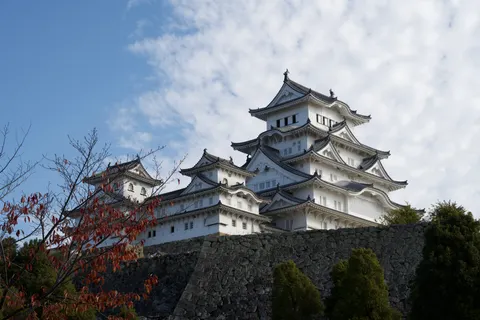
Himeji
Japan's finest surviving feudal castle, a white heron above a quiet garden city

Hiroshima
A city rebuilt around peace, and a shrine whose gate stands in the sea
Hokkaido
Powder snow, lavender plains, and Japan's last frontier

Planning a trip to Hakodate?
Our concierge team knows Hakodate in depth. Tell us your dates and we'll build an itinerary entirely around you — private, unhurried, considered.
Our team replies to every enquiry by email.