

Kanazawa
A castle town of samurai lanes, geisha teahouses and one of Japan's great gardens, facing the Sea of Japan
Kanazawa
Kanazawa sits on the Sea of Japan coast, in Ishikawa Prefecture, and it is one of the few large Japanese cities that kept its old centre largely intact. For centuries it was the seat of the Maeda clan, who ruled the Kaga domain and were among the richest and most cultured lords in the country. They spent their wealth on gardens, crafts and theatre rather than on war, and the city still shows it. Because Kanazawa escaped the bombing of the Second World War, its samurai lanes, teahouse districts and canals survived, and a visitor can walk through streets that follow the plan of the old castle town.
Kenrokuen is the first stop for most people. The garden belonged to the Maeda family and is counted as one of the three great gardens of Japan, alongside Kairakuen in Mito and Korakuen in Okayama. It was laid out over generations around ponds, streams, tea houses and carefully trained pines, and it is designed to look different in every season. In winter, the pine branches are supported by cones of ropes, called yukitsuri, to stop them from breaking under heavy snow, and the sight is one of the city's best-known images. Beside the garden, Kanazawa Castle, with its white walls and reconstructed gate and turrets, shows how large the Maeda domain was.
Nagamachi, the former samurai district, is a short walk from the castle. Its earthen walls, narrow lanes and small canals give a good idea of how retainers lived, and a few restored residences can be visited, with their gardens and tatami rooms. Across the river, Higashi Chaya is the best-preserved of the city's teahouse districts. Its wooden latticed facades date from the nineteenth century, and the evening lanterns and quiet stone lanes give it a calm that is rare in busy cities. A few teahouses are open to visitors during the day, and some shops sell gold leaf crafts and sweets.
Gold leaf is one of the city's trades, and Kanazawa produces most of the gold leaf made in Japan. You will see it on lacquerware, on tea, in cosmetics and even on soft-serve ice cream sold in the district. Other local crafts include Kutani porcelain, painted in rich colours, and Kaga yuzen silk dyeing. The Omicho Market, a covered market in the centre, is a good place for lunch, since the sea is close and the seafood is of high quality. Kaga cuisine, a regional style of cooking, offers dishes such as jibuni, a stew of duck or chicken with wheat gluten, and local wagashi are served with matcha in many tea rooms.
The city also has a modern side. The 21st Century Museum of Contemporary Art, a round glass building that opened in 2004, draws as many visitors as the old districts, and its free areas are a pleasant stop even in the rain. The Suzuki Daisetz Museum, devoted to the Buddhist philosopher who was born in Kanazawa, is a quiet space of water and white walls that suits a short break. The mix of historic and contemporary sites is part of what makes the city feel lived in rather than preserved.
Getting here has become easy. The Hokuriku Shinkansen connects Kanazawa with Tokyo in a little over two and a half hours, and the city is also served by trains from Kyoto and Osaka. Once in the centre, buses and a short walk link the main sights, and cycling is popular in good weather. Kanazawa works well as a base for day trips, in particular to the thatched-roof villages of Shirakawa-go and Gokayama, and to Takayama on the other side of the mountains.
The weather deserves a mention. The coast sees a lot of rain and snow, and there is a local saying that you may forget your lunch but should not forget your umbrella. Autumn is a beautiful time, with crisp air and colour in the gardens. Late March to April brings cherry blossoms around the castle moat and the rivers, and winter has its own appeal for those who do not mind cold, with the snow-covered garden and hot seafood dishes. Summer is warm and humid, though the evenings by the river are pleasant.
One full day is enough for Kenrokuen, the castle, Nagamachi and Higashi Chaya at a steady pace, and two days let you add the museums, the market and a craft workshop. The distances are short, but the lanes are full of small details that are easy to miss without a guide, which is why a private walking tour with a licensed local guide works well here. A guide can explain the clan history, take you into places that are easy to walk past and adjust the route to your interests.
The experience listed for Kanazawa on Excurze is a customised private walking tour with a licensed guide, and it can be combined with the day trips and the rest of the region through our concierge. If you are linking the Sea of Japan coast with Kyoto, Takayama and the Japanese Alps, we can plan the route, the trains and the hotels so that the days are not rushed and you spend the evenings where the atmosphere is best.
Planning a trip to Kanazawa?
Our team designs private itineraries for each traveller — no templates, no group tours.
Speak to conciergeExperiences here

Hotels, flights and more in Kanazawa
Where to stay
Compare hotel rates for your dates with three booking partners.
Getting there
Compare flight prices from your airport before you fix your dates.
Compare flights on AviasalesThese are affiliate links: if you book through them, Excurze may earn a commission at no extra cost to you.
More to explore in Japan

Kobe
A harbour city of foreign-style houses, sake breweries and hillside hot springs, a short train from Osaka
Kochi
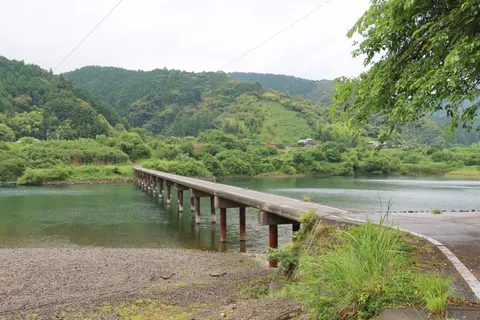
A Pacific-coast castle town on Shikoku, with seared bonito, a three-century-old street market and a hero of the Meiji Restoration

Koyasan
Japan's mountain monastery town, with a vast forest cemetery and temple lodgings in the Kii Mountains
Kumamoto
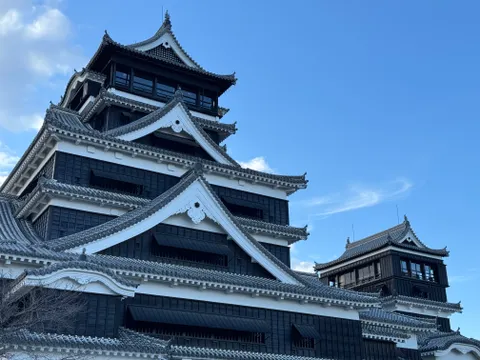
A great castle with curved stone walls, a garden in the shape of an old road and the rim of the Aso volcano close by
Planning a trip to Kanazawa?
Our concierge team knows Kanazawa in depth. Tell us your dates and we'll build an itinerary entirely around you — private, unhurried, considered.
Our team replies to every enquiry by email.