

Bali
Ritual, rice and the sacred ordinary
Bali
Bali is not a destination to rush. Its depth is in the daily: the flower offerings placed at temple gates at dawn, the gamelan rehearsals drifting through village courtyards, the way a priest can stop time with a gesture.
Most visitors see Bali's surface: the beach clubs of Seminyak, the yoga studios of Canggu. We take guests into the interior, to the rice terraces of Jatiluwih at first light, to village ceremonies rarely observed by outsiders, and to the water temple rituals that have governed Balinese agriculture for a thousand years.
Ubud is our base for cultural immersions. The Bukit Peninsula for cliff-top sunsets. And the forest villages of the central highlands for experiences you will not find in any itinerary.
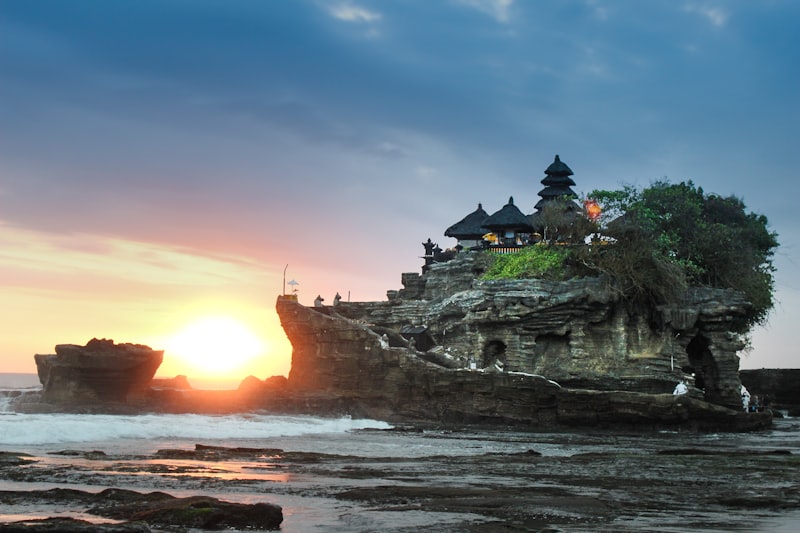
Bali's temples are its heart. Uluwatu, perched on a cliff on the southern Bukit Peninsula, hosts the kecak fire dance at sunset. Tanah Lot sits on a rock offshore, reachable on foot at low tide. Tirta Empul, near Ubud, has holy springs where Balinese bathe in purification rituals, and visitors may join if they follow the correct procedure. Besakih, on the slopes of Mount Agung, is the island's mother temple, a sprawling complex of shrines. Wear a sarong and sash at every temple; they are usually available to borrow or rent at the entrance.
The landscape changes as you move inland. The Jatiluwih rice terraces, part of a UNESCO-listed cultural landscape recognising the subak, Bali's cooperative water management system, spread across the slopes of Mount Batukaru. Sidemen, in the east, offers rice fields and weaving villages with a fraction of Ubud's traffic. Munduk, in the north, has waterfalls, clove plantations and cool mountain air. The sunrise trek up Mount Batur, an active volcano, starts in the middle of the night and reaches the crater rim for dawn views over the lake.
Beyond the main island, Nusa Penida's cliffs and manta rays draw day-trippers from the south coast, though its roads are rough and the viewpoints busy. Nusa Lembongan, next door, is calmer and has good snorkelling.
The dry season, from April to October, brings the most reliable weather. The wet season, from November to March, means afternoon downpours, humid days and fewer visitors. Nyepi, the Balinese day of silence, usually falls in March: for twenty-four hours the whole island shuts down, including the airport, and visitors must stay inside their hotels. It is a striking experience if you plan for it.
Traffic is the main practical challenge. Distances look short on the map but can take hours, especially in the south. Base yourself in two or three places rather than trying to see everything from one hotel. Foreign visitors now pay a tourist levy on arrival, in addition to the visa. Dress modestly away from the beach, never step over offerings on the ground, and ask before photographing ceremonies.
A week allows a balanced stay: a few days around Ubud and the central highlands, a couple on the east coast or in the north, and time on a beach at the end.
Ubud remains the cultural heart of the island. The town itself is busy, but its surrounding villages hold the workshops, dance troupes and temples that make Balinese culture so rich. Legong and barong dances are performed most evenings in temples and palace courtyards. The Ubud Palace hosts performances of classical dance, and the villages of Mas, Celuk and Batuan are known for woodcarving, silverwork and painting respectively. Walking the ridges and rice fields around Ubud early in the morning, before the heat and traffic, shows the landscape at its most beautiful.
Balinese food is often overlooked in favour of international cafés, but it rewards exploration. Babi guling, spit-roast suckling pig, and bebek betutu, duck slow-cooked with spices, are ceremonial dishes now served in restaurants. Lawar, a mix of vegetables, coconut and minced meat, and sate lilit, fish or meat minced and wrapped around lemongrass sticks, are found at warungs across the island. Cooking classes often begin with a visit to a local market.
The coastline has its own personalities. Seminyak and Canggu are busy with beach clubs, restaurants and surf schools. Uluwatu, on the Bukit Peninsula, is known for its cliff-top views and surf breaks. Sanur, on the east coast, is calm and family-friendly. Amed, in the northeast, is quieter still, with black sand beaches and good snorkelling, including a wreck at Tulamben nearby.
Planning a trip to Bali?
Our team designs private itineraries for each traveller — no templates, no group tours.
Speak to conciergeMoments that define a trip to Bali.
These are the kinds of experiences we build itineraries around — not sights to tick off, but moments that still come to mind months later.
Purify yourself in holy water at Tirta Empul in a private ceremony before the gates open
Learn Balinese offering-making with a village priest as part of a morning ceremony
Cruise at sunset through the mangroves off Serangan on a traditional jukung boat
Visit a family compound in Ubud for a private gamelan lesson — the instruments played daily here
Trek through terraced rice paddies above Tegallalang with a Subak farmer who tends them
Catch the sunrise at Pura Luhur Lempuyang with the volcano reflected in the temple pool
Hotels we trust in Bali.
These are the properties we book for our own clients — tested, revisited, and chosen for character as much as comfort.

Ubud — jungle
COMO Shambhala Estate
Six private residences set into a forested ravine above the Ayung River. The benchmark for wellness retreats in Bali — Ayurvedic treatments, a resident nutritionist, and a kitchen that makes vegetables taste extraordinary.

Ubud — Keliki valley
Capella Ubud
Twenty-two tented retreats perched above a jungle ravine. Safari-camp aesthetic done with Balinese craft — loomed textiles, carved stone, firefly evenings.

Ubud — central
Alaya Resort Ubud
Walking distance from the Sacred Monkey Forest and Ubud market. Intimate, personally run, with a rice terrace infinity pool that earns its postcard status.
Our concierge can negotiate preferred rates and arrange room upgrades at most of these properties.
Before you go
May – September
Dry season with consistent sunshine. July–August busiest; May and September quieter.
Visa on arrival
30 days, extendable once. Available to most nationalities at Denpasar Airport.
Indonesian Rupiah (IDR)
Cash widely preferred. ATMs available in Seminyak, Ubud, Canggu. Avoid airport exchange.
Balinese / Indonesian
English widely spoken in tourist areas and by established operators.
Fly to Denpasar (DPS)
Ngurah Rai International Airport. Served by Singapore, Kuala Lumpur, Sydney, Dubai.
Tropical year-round
Wet season November–April (still warm at 28°C). Dry season May–October is ideal.
Areas to explore
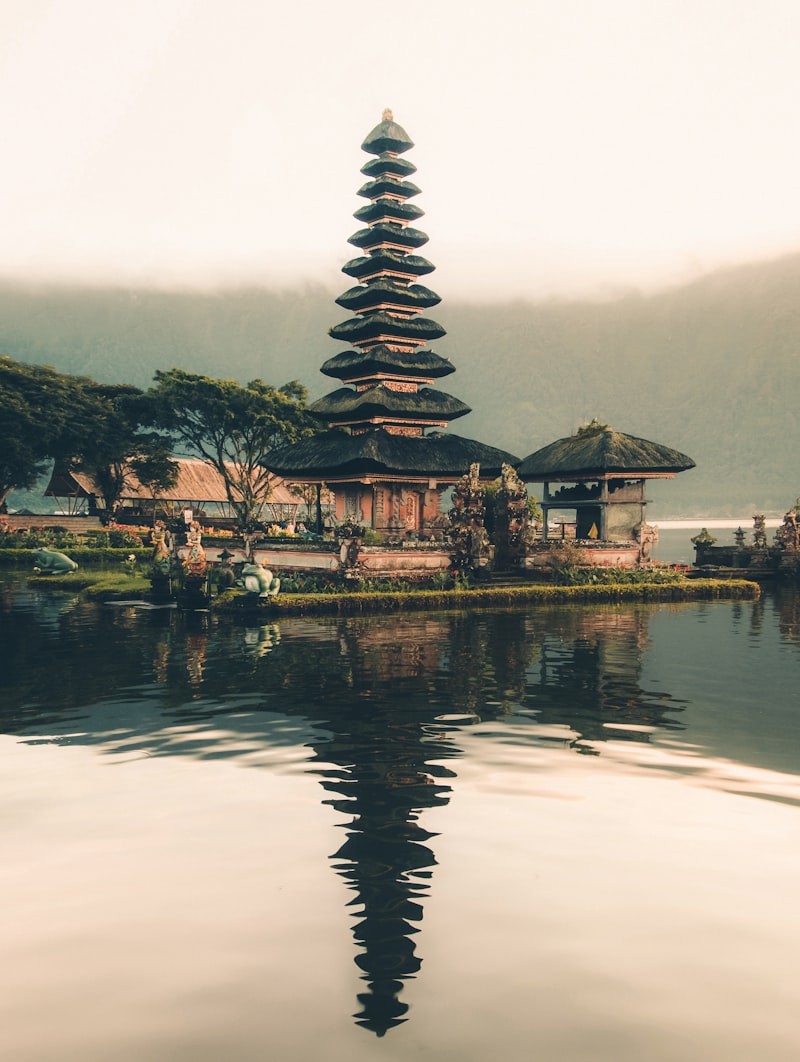
Ubud
The cultural heart of Bali — rice terraces, royal palace, artist studios, and access to the sacred Monkey Forest and Tirta Empul water temple.
Seminyak
Bali's most refined beach strip, with sunset views from Petitenget Temple and the best of the island's boutique dining.
Nusa Penida
Remote island off Bali's southeast coast — Kelingking Beach's T-Rex cliff, oceanic manta rays, and waters of impossible blue that dwarf anything on the main island.


Tegallalang rice terraces
Jungle villa pool, Ubud

Tanah Lot temple, sunset
Balinese offering ceremony

Seminyak beach, dusk

Nusa Penida cliffs

Manta rays, Nusa Penida

Sacred Monkey Forest, Ubud

Our specialist itinerary for Bali
Bali Immersion
Nine days of culture, ceremony, and deliberate stillness — Ubud, Sidemen, Nusa Penida
Best: May–September — dry season, clear skies
Avoid: Nov–Dec — wet season, heavy afternoon rains
Tours & Tickets in Bali
Activities and skip-the-line tickets, bookable instantly alongside our curated private experiences.
Reading list for Bali
Essays and guides to deepen your understanding before you travel.


Planning a trip to Bali?
Our concierge team knows Bali in depth. Tell us your dates and we'll build an itinerary entirely around you — private, unhurried, considered.
Our team responds within 12 hours — usually faster.