

Fukuoka
Kyushu's gateway city, with open-air ramen stalls, a hilltop shrine to the god of learning and the sea on its doorstep
Fukuoka
Fukuoka is the largest city on Kyushu, the southern island of Japan, and it has been a doorway to the Asian mainland for more than a thousand years. Hakata Bay opens towards Korea and China, and the port brought traders, monks, ideas and food here long before the rest of the country was easily reached. The modern city is made of two older towns, the merchant port of Hakata and the castle town of Fukuoka, which were joined only in 1889, and many locals still use the name Hakata for the station, the festival and the ramen.
Food is the main reason that travellers come. Hakata ramen, with its cloudy pork-bone broth and thin straight noodles, is the local style, and the city's ramen shops are the best place to try it. Most of them serve kaedama, a second helping of noodles added to the same bowl, which is the usual way to finish a meal here. After dark, yatai, small open-air food stalls, set up along the river in the Nakasu district and in the streets of Tenjin, selling ramen, grilled skewers, oden and the city's other specialities. Mentaiko, spicy pollock roe, is another local favourite, and so are motsunabe, a hot pot of beef offal, and mizutaki, a chicken hot pot. The seafood from Genkai Sea and the regional sake complete a very good table.
The city's sights are relaxed and varied. Ohori Park, built around a large pond that was once part of the moat of Fukuoka Castle, is the favourite place for a walk, a run or an hour of rowing. The castle itself is now mostly ruins, with walls and gates that give views over the city, and the nearby Japanese garden is calm and beautifully kept. Fukuoka Tower, one of the tallest seaside towers in Japan, stands on the waterfront at Momochi and gives a panorama of the bay. Canal City, a large shopping and entertainment complex, is popular with families and has a fountain show in the evening.
The best temple and shrine visits are close to the centre. Kushida Shrine, in Hakata, is the home of the Hakata Gion Yamakasa festival, held in the first half of July, in which teams of men carry huge decorated floats through the streets at dawn. Tochoji Temple holds a large wooden seated Buddha and an inviting garden, and Shofukuji is considered the first Zen temple in Japan. Further out, Dazaifu Tenmangu is the largest shrine of the god of learning, Tenjin, dedicated to the scholar Sugawara no Michizane. Students visit from all over the country to pray for exam success, and the approach is lined with shops that sell umegae mochi, rice cakes stamped with plum blossoms.
Beyond the city limits, Fukuoka is a good base for the rest of Kyushu. Trains and buses link the city with Nagasaki, Kumamoto, Beppu and the hot-spring towns, and the Kyushu Shinkansen runs south to Kagoshima. A day trip to Mount Aso, the huge volcanic caldera in Kumamoto Prefecture, is a popular outing for visitors who want landscapes after a few days in the city. Boats and ferries from the port reach islands in the bay, and the fast ferries to Busan in South Korea make Fukuoka the starting point for an Asian two-country trip.
In November, Fukuoka hosts the Kyushu Grand Sumo Tournament, one of the six annual tournaments of professional sumo. Tickets for the event are in high demand, and it adds a distinctive reason to visit at that time of year. The city also hosts markets, music festivals and a thriving café scene, and the many universities give it a young energy that is noticeable in the evening.
Getting around Fukuoka is easy. The airport is unusually close to the centre, a short subway ride from Hakata Station, which saves time on arrival and departure. The subway and the buses cover most of the main sights, and walking between neighbourhoods is pleasant on a mild day. Spring and autumn are the most comfortable seasons, with cherry blossoms in late March and colour in November. Summer is hot and humid, with a rainy season in June, and winter is milder than in most of Japan.
Two days are enough for the main sights and the food, and three allow time for Dazaifu, the beaches of the bay and a day trip. A private walking tour with a licensed guide is a good way to see the sights in one day, since the city's highlights are spread across several neighbourhoods and a local guide can connect them with food stops and stories.
The Fukuoka experiences on Excurze include a customised private tour with a licensed guide and a private day trip to Mount Aso. Our concierge can combine them with Nagasaki, Kumamoto and the hot springs of Kyushu, and arrange the transport, hotels and restaurant bookings so that you arrive hungry and see the best of the island at an easy pace.
Planning a trip to Fukuoka?
Our team designs private itineraries for each traveller — no templates, no group tours.
Speak to concierge

Hotels, flights and more in Fukuoka
Where to stay
Compare hotel rates for your dates with three booking partners.
Getting there
Compare flight prices from your airport before you fix your dates.
Compare flights on AviasalesThese are affiliate links: if you book through them, Excurze may earn a commission at no extra cost to you.
More to explore in Japan
Hakodate
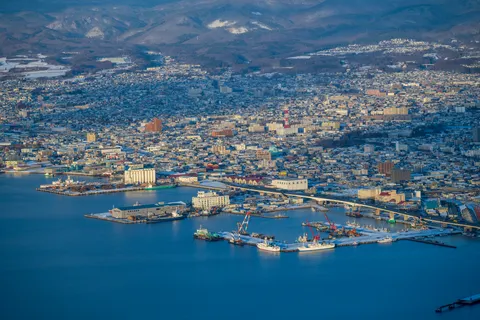
A port city on a narrow neck of land, with a star-shaped fort, red-brick warehouses and one of Japan's great night views

Hakone
Hot springs, a volcanic valley and a lake with a red torii gate, ninety minutes from Tokyo
Himeji
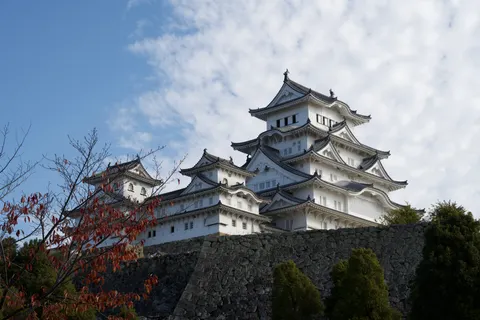
Japan's finest surviving feudal castle, a white heron above a quiet garden city

Hiroshima
A city rebuilt around peace, and a shrine whose gate stands in the sea
Planning a trip to Fukuoka?
Our concierge team knows Fukuoka in depth. Tell us your dates and we'll build an itinerary entirely around you — private, unhurried, considered.
Our team replies to every enquiry by email.