Asia's best snorkelling destinations rarely get ranked against each other properly. Most lists either default to the same three or four famous names or lump entirely different water conditions, reef types, and skill requirements into one generic "tropical paradise" recommendation. That's a genuine problem for planning: snorkelling in Raja Ampat and snorkelling off Boracay are not the same trip, and treating them as interchangeable leads to real disappointment.
This is the honest comparison, ranked by what actually matters: reef health, water clarity, marine life density, and how much effort it takes to get there.
Raja Ampat: The Uncontested Top Tier
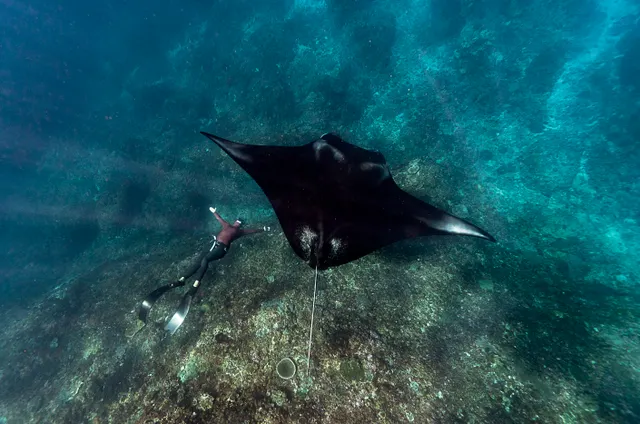
Raja Ampat sits at the centre of the Coral Triangle, and its biodiversity numbers aren't marketing copy, more coral and fish species per square kilometre than anywhere else measured on the planet. Our Manta Ray Snorkel and Dive guide covers the cleaning stations where reef mantas glide close enough for snorkellers, not just divers, to observe. The trade-off is real effort to get there: a flight to Sorong followed by a boat crossing, which is precisely why the reef has stayed this good.
Perhentian Islands: The Easiest Great Option
For travellers wanting Raja Ampat-adjacent water clarity without the multi-day journey, the Perhentian Islands deliver a comparable experience at a fraction of the logistics. Our Perhentian Snorkel and Island Hopping guide covers a day where sea turtle sightings are close to guaranteed between May and September and reef sharks appear routinely. The islands' deliberately limited development has kept the reef in considerably better shape than Malaysia's more built-up island destinations.
Komodo National Park: Dragons Above, Manta Rays Below
Komodo's manta cleaning stations rank among the most reliable manta encounters in Indonesian waters, and the surrounding reef benefits from the same protected-park status that shelters the island's famous dragons on land. Our Komodo Manta Ray Diving guide covers the specific current conditions that make this park's snorkelling more demanding than a calm lagoon, worth knowing before booking if you're newer to open-water snorkelling.
Maldives: The House Reef Advantage
The Maldives' specific advantage isn't a single famous site, it's the sheer number of resorts built directly onto healthy house reefs. That means excellent snorkelling is available steps from your villa rather than requiring a boat trip. Our Maldives diving and villa planning guide covers how to choose a resort based on house reef quality rather than star rating alone, the single most important, most overlooked booking decision for a snorkelling-focused Maldives trip.
El Nido and Coron: Snorkelling Wrapped in Limestone Scenery
Palawan's specific appeal for snorkellers is less about record-breaking biodiversity and more about the setting: limestone karst lagoons and hidden coves that make the swim itself as memorable as what's beneath the surface. Our Palawan destination guide covers both El Nido's lagoon-hopping and Coron's Kayangan Lake and Twin Lagoon circuit, different snorkelling character within the same island province.
What Actually Determines a Great Snorkelling Trip
Beyond the destination itself, three practical factors decide whether a snorkelling trip delivers: water clarity, best in dry season across nearly every destination on this list; current strength, Komodo and parts of Raja Ampat require real confidence in open water; and house reef versus boat-trip access, where the Maldives wins decisively, since most other destinations require a boat to reach the best sites. Matching these factors to your own comfort level matters more than chasing whichever destination ranks highest on a generic list.
Building a Multi-Destination Snorkelling Trip
A longer Southeast Asia itinerary can combine several of these destinations without excessive backtracking: Perhentian and a wider Malaysia loop, or Komodo paired with a broader Indonesia trip through Bali. Our multi-country Asia trip planning guide covers how to sequence destinations like these without the connections eating more of the trip than the actual snorkelling.
Gear Worth Bringing Rather Than Renting
A well-fitted mask makes a disproportionate difference to snorkelling quality compared to almost any other piece of gear. A leaking or fogging mask ruins an otherwise excellent reef day faster than any water condition can. Renting locally is fine for fins and a snorkel, both fairly standardised, but travellers who snorkel regularly are generally better served bringing a mask they've already tested for fit, particularly for multi-day trips to remote destinations like Raja Ampat, where rental quality and availability are considerably less consistent than at established resort destinations like the Maldives.
Frequently Asked Questions
Which Asia snorkelling destination is best for a first-timer? The Maldives, house reef access means excellent snorkelling without needing strong swimming confidence or boat-trip logistics, ideal for less experienced snorkellers.
Is Raja Ampat worth the extra travel time compared to Perhentian? For dedicated snorkellers and divers, yes, the reef biodiversity is unmatched. For a more accessible trip with still-excellent snorkelling, the Perhentians deliver comparable water clarity with far less logistics.
Do I need to be a strong swimmer to snorkel in these destinations? It varies considerably: Maldives house reefs and calm Palawan lagoons suit moderate swimmers, while Komodo and parts of Raja Ampat have genuine current that requires stronger open-water confidence.
What's the best season for snorkelling across most of Asia? Broadly, the dry season in each specific destination, though exact months vary. Perhentian and Komodo both close or become unreliable during their respective monsoon windows, worth checking destination-specific timing before booking.
Is snorkelling with children feasible at any of these destinations? Yes, particularly the Maldives and calmer parts of Palawan's lagoons. Both offer shallow, gentle conditions well suited to younger or less confident swimmers, while Komodo and parts of Raja Ampat are better matched to more experienced snorkellers given the current conditions.