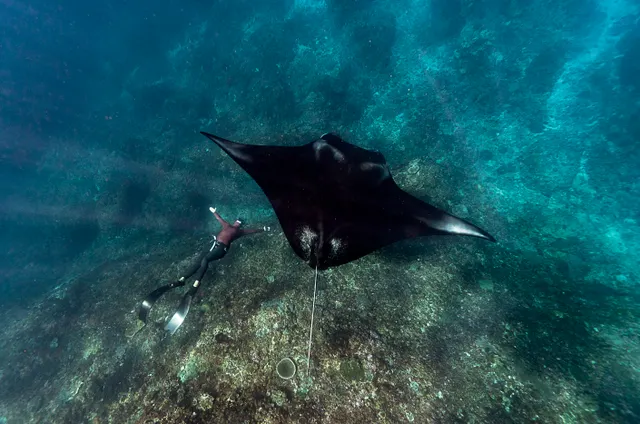
Whale shark encounters have become one of the most sought-after wildlife experiences in ocean travel, and also one of the most commonly done in ways that stress the animal rather than observe it. The difference between an ethical, well-timed encounter and a crowded, feeding-baited one comes down almost entirely to which specific location and season you choose, not luck.
This is the honest version, where Asia's whale shark encounters are reliable, which practices to avoid, and how to plan a trip around a species that remains, despite growing tourism around it, still only partially understood by science.
Why Whale Sharks Concentrate Where They Do
Whale sharks, the largest fish species on earth, gather seasonally at specific locations to feed on plankton blooms and, at some sites, on natural fish spawning events, patterns that make certain destinations reliable rather than a matter of chance. Understanding this seasonal concentration, rather than assuming whale sharks can be reliably found anywhere warm and tropical, is the single most useful piece of planning information for anyone building a trip around seeing one.
The Maldives: Year-Round, But With Real Seasonal Peaks
The Maldives' South Ari Atoll hosts one of the few locations on earth with a resident whale shark population, present in reasonable numbers throughout the year rather than migrating through seasonally. Our Maldives diving and villa planning guide covers house reef selection more broadly, and several South Ari resorts specifically build snorkelling excursions around this resident population, a meaningfully more reliable encounter than seasonal migration sites elsewhere.
Raja Ampat: A Genuine Rarity Worth the Effort
Whale shark sightings in Raja Ampat, particularly around Cenderawasih Bay's fishing platforms where the sharks have learned to feed on baitfish caught in nets, offer one of the more striking and controversial encounters on this list, striking because of the sheer scale and proximity, controversial because the feeding association itself raises genuine ethical questions researchers continue to debate. Our Raja Ampat destination guide covers the wider archipelago these platforms sit within, worth researching a specific operator's practices carefully before booking this particular encounter.
Reading the Ethics: What a Responsible Encounter Looks Like
The clearest markers separating a responsible whale shark operator from an exploitative one are consistent across every location, no touching or riding the animal, no chasing if it moves away, small group sizes in the water at once, and no artificial feeding specifically to guarantee a photo opportunity. Operators who guarantee sightings through baiting practices are worth approaching with real skepticism, the encounter's value comes precisely from it being a genuine wild interaction, not a staged one.
Komodo and the Wider Coral Triangle: Opportunistic Rather Than Guaranteed
Whale sharks pass through parts of the Coral Triangle, including waters near Komodo National Park, as opportunistic sightings during dive trips rather than a dedicated, targetable encounter, our Komodo Manta Ray Diving guide covers the park's more reliable manta encounters, worth treating as the primary draw with any whale shark sighting as a genuine bonus rather than the trip's core expectation.
What Snorkelling With a Whale Shark Actually Requires
Unlike scuba diving with reef life, whale shark encounters are almost universally conducted via snorkelling rather than diving, the animals feed near the surface, and swimming alongside one requires reasonable fitness and swimming confidence rather than any dive certification. Fins and a well-fitted mask make a genuine difference, whale sharks move at a pace that rewards efficient swimming technique over raw speed.
Building a Whale Shark Trip Around the Right Season
Rather than picking a destination first and hoping for a sighting, the more reliable planning approach starts with season, South Ari Atoll's near-constant presence makes the Maldives the least season-dependent option on this list, while Cenderawasih Bay's feeding-platform sightings follow patterns tied to local fishing activity that are worth confirming with a specific operator closer to travel dates.
What to Bring on a Whale Shark Excursion
A well-fitted mask and a decent pair of fins matter more here than almost any other snorkelling trip on this list, whale sharks move at a steady pace and the ability to swim alongside without exhausting yourself in the first few minutes affects how much of the encounter you actually experience. Reef-safe sunscreen is worth applying well before boarding rather than at the site itself, most operators enforce a no-sunscreen-in-the-water policy specifically to protect the same feeding grounds that draw the sharks in the first place.
Frequently Asked Questions
Is it safe to swim near a whale shark? Yes, despite their enormous size, whale sharks are filter feeders with no interest in humans as prey, respectful distance and no touching are about animal welfare rather than personal safety.
Which Asia destination has the most reliable whale shark sightings? The Maldives' South Ari Atoll, home to a resident population present through most of the year, offers the most consistent sighting odds on this list.
Are whale shark feeding encounters ethical? It's debated among researchers, feeding-based encounters like Cenderawasih Bay's platforms offer striking proximity but raise real questions about altering natural behaviour, worth researching a specific operator's practices before booking.
Do I need diving experience to see a whale shark? No, nearly all whale shark encounters happen via snorkelling rather than scuba diving, reasonable swimming fitness matters more than any certification.
What time of year gives the best odds of a whale shark sighting? It depends heavily on location, South Ari Atoll in the Maldives offers near-constant odds year-round, while other sites follow more specific seasonal patterns tied to plankton blooms or local fishing activity, worth confirming with a specific operator closer to your travel dates.